


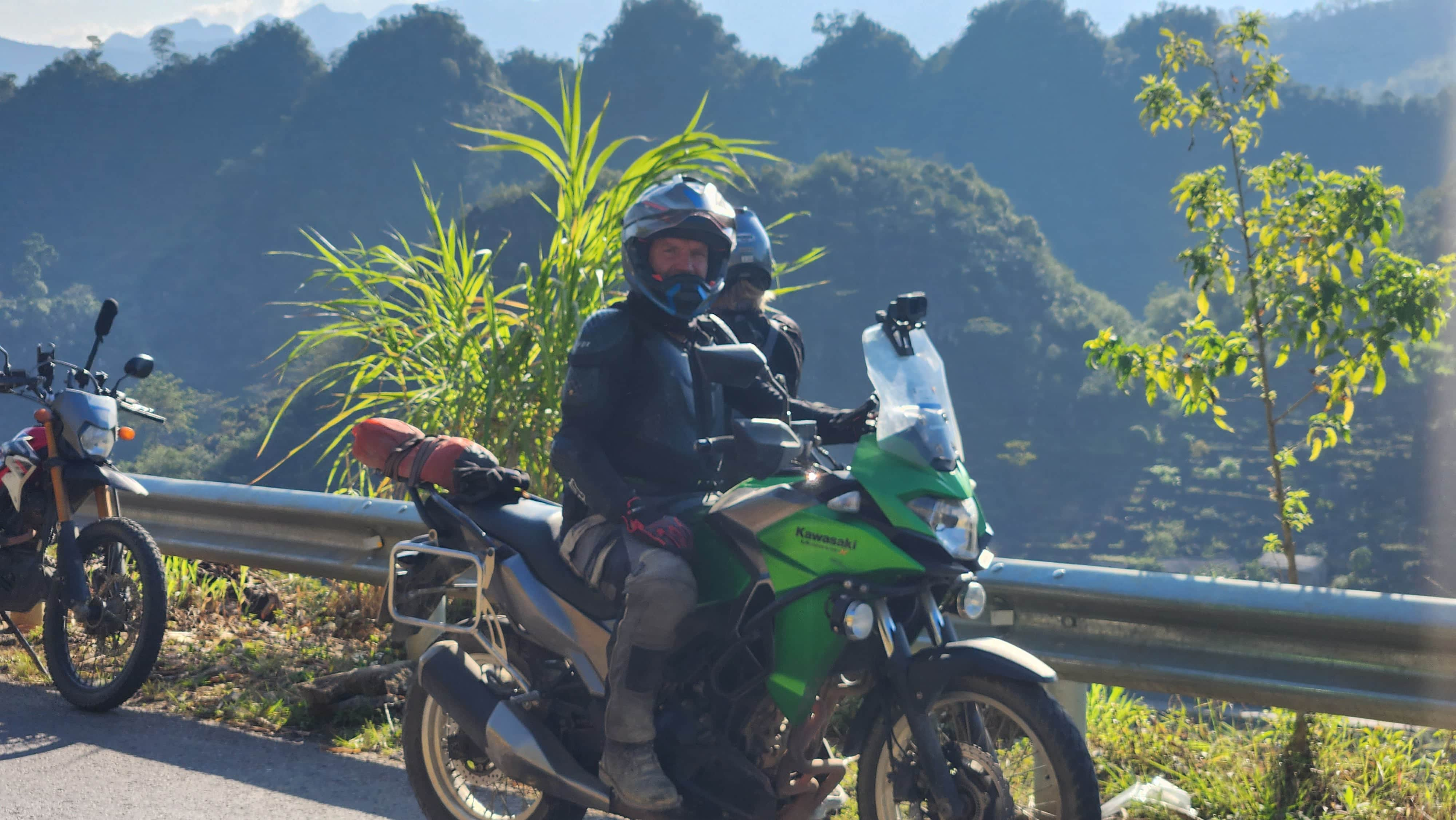
Prepare for the Conditions
Check the forecast and ask about local road conditions before departure. A manageable dirt road can become difficult after heavy rain.
Bring a compact rain suit, protective riding footwear and waterproof luggage. Keep a dry change of clothes separately. For off-road routes, use a suitable motorcycle and tyres, following model-specific guidance for tyre pressures and ABS settings.
Ride Smoothly on Wet Roads
Reduce speed, increase your following distance and allow more time to stop. Apply both brakes progressively, avoiding sudden acceleration, braking or steering.
Watch for slippery painted markings, metal covers, mud and wet leaves. If rain seriously limits visibility, stop somewhere safe, clear of traffic.
Choose Your Path on Dirt and Gravel
Look ahead and assess the surface before entering a difficult section. Keep your controls smooth and your speed within your ability. Avoid spinning the rear wheel by accelerating hard in mud.
Beginners should start with easy, dry dirt roads. If deep ruts, loose surfaces or muddy slopes exceed your skills, stop on firm ground and ask your guide for help.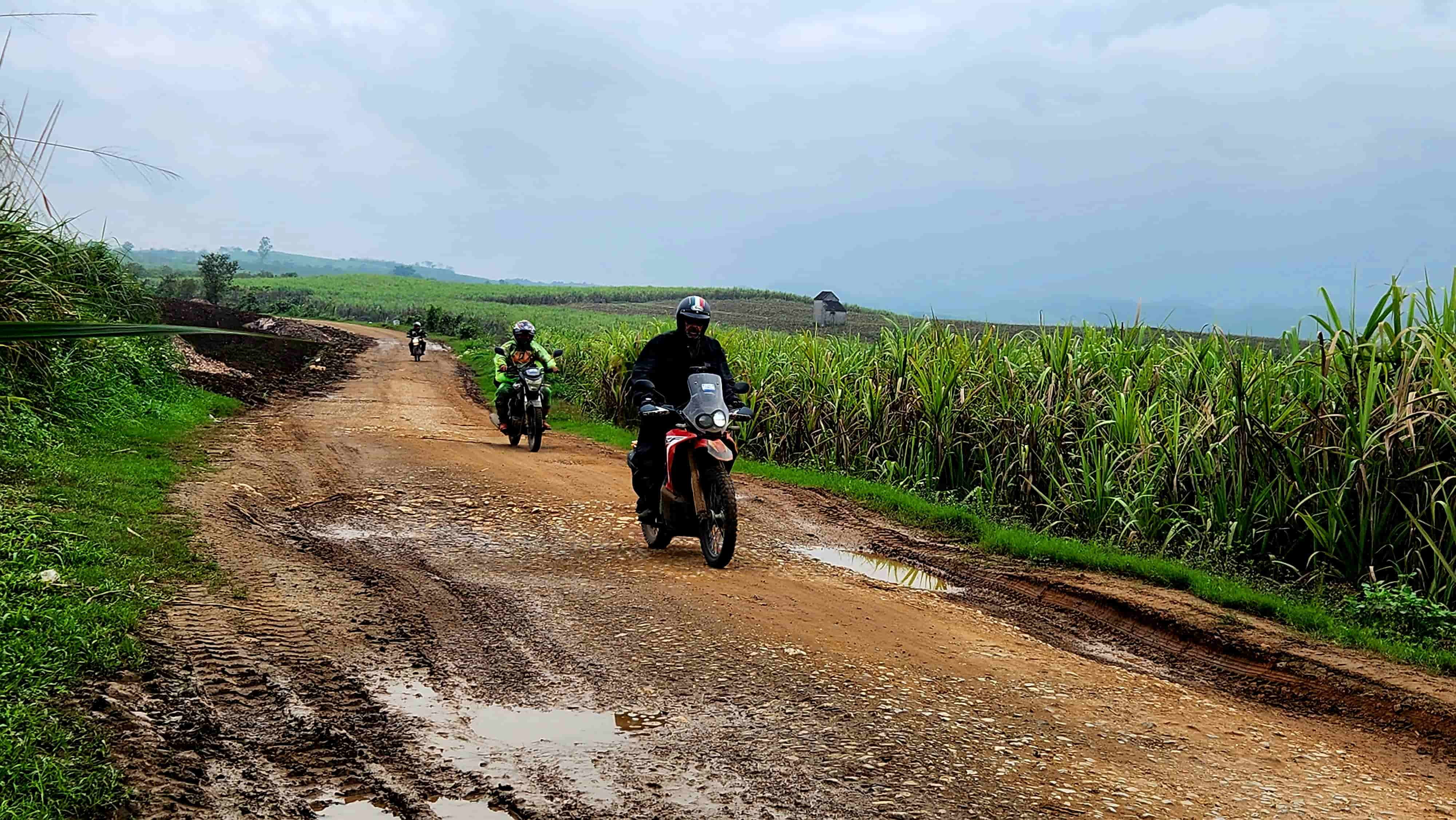
Turn Back at Flooded Roads
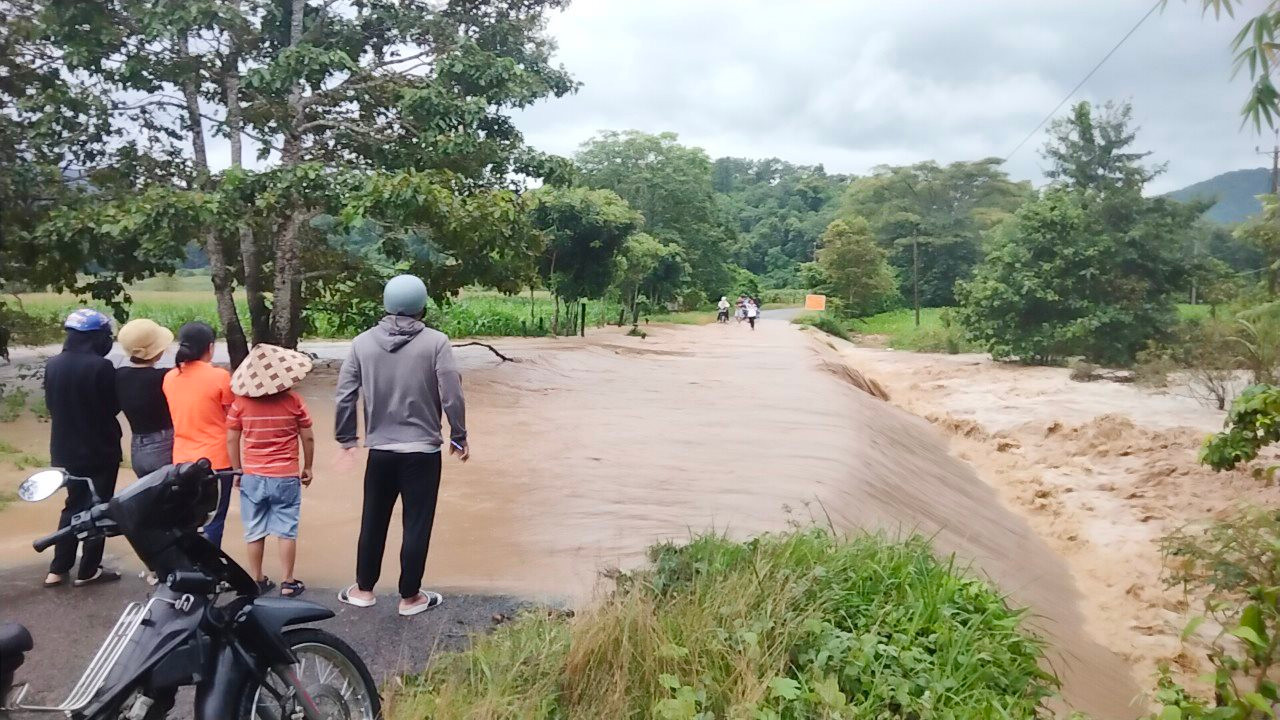
Floodwater can hide holes, damaged roads and strong currents. Another vehicle crossing successfully does not make it safe for you.
Do not ride or walk into floodwater to test its depth. Turn back, respect barriers and find another route.
Keep Your Plans Flexible
Leave space between riders and agree on meeting points before entering remote areas. For unfamiliar off-road routes, travel with an experienced guide and suitable support.
Heavy rain, deteriorating roads or fatigue are good reasons to shorten the day or switch to a paved route.
A rewarding adventure includes knowing when to continue—and when to change the plan.


