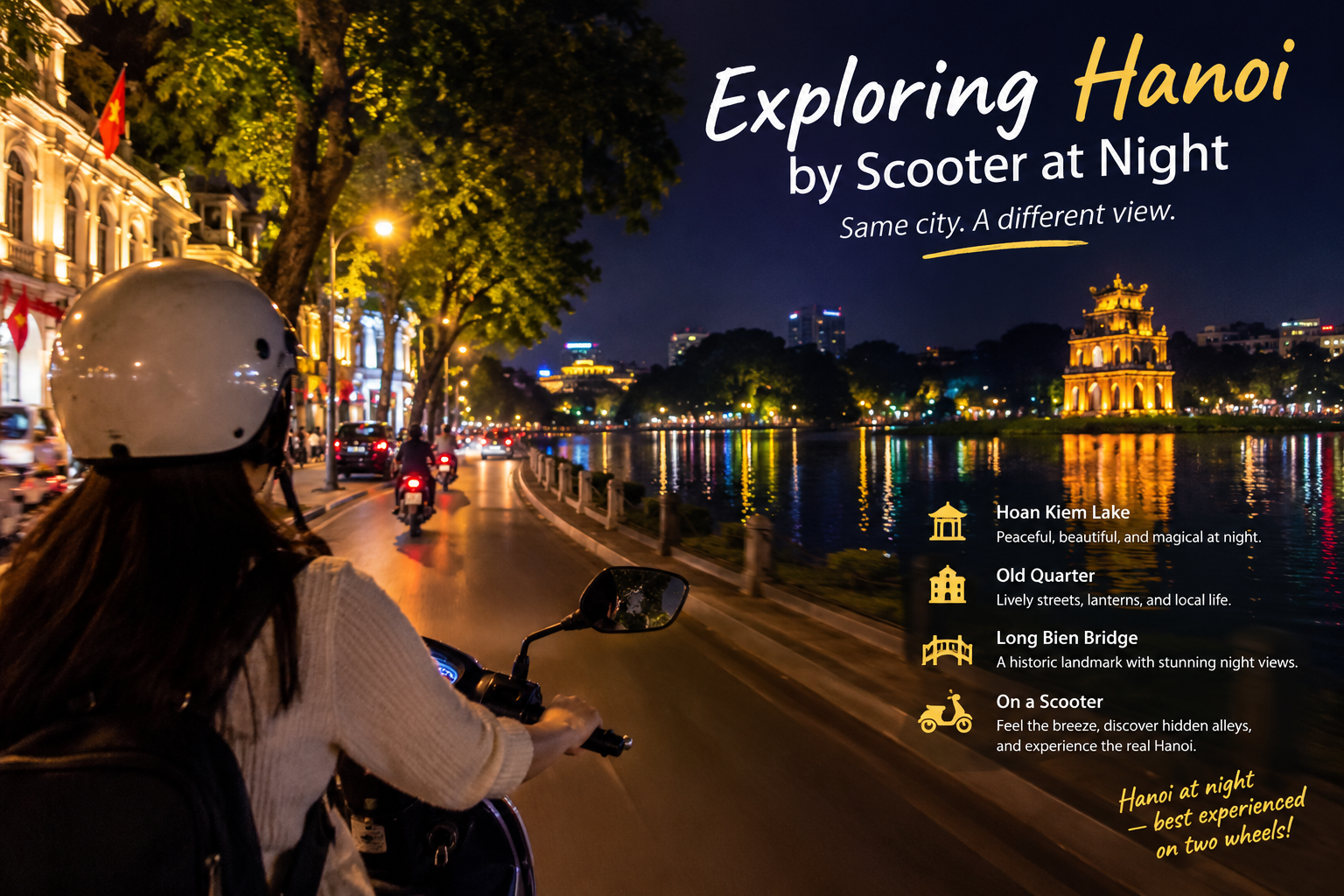
Although there are many kinds of transportation, such as buses, taxis, and bicycles, I think travelling around Hanoi by motorbike is a great choice.
First, travelling by motorbike gives us freedom and flexibility. You can choose your own routes, stop whenever you want, and explore small streets and hidden places that larger vehicles cannot easily reach.

For example, you would like to ride around the Old Quarter, where there are many narrow streets, traditional houses, and small shops. You can stop at any place that catch your attention and take beautiful photos. You also visit Hoan Kiem Lake, a famous landmark in the heart of the city, to enjoy the peaceful atmosphere and watch local people exercising or walking around the lake.
Next, Hanoi’s local food culture is an attractive thing, many tourists would like to taste. You can park your motorbike near a small restaurant and try some famous dishes, such as Pho, Bun cha, and Banh mi. You also enjoy a cup of Vietnamese egg coffee at a cozy café. These experiences would help you understand more about the local lifestyle and Vietnamese cuisine.
Second, riding a motorbike is often more convenient and time-saving, especially when the streets are crowded. It is also a good way to enjoy the fresh air and admire the beautiful scenery of Hanoi. Moreover, travelling by motorbike can be cheaper than taking a taxi if we travel frequently.

Third, Important Tips for Renting a Motorbike to Explore Hanoi
1. Check the motorbike carefully. Inspect the brakes, tires, lights, mirrors, horn, and fuel level before renting. Take photos or videos of any existing scratches or damage.
2. Check the rental price and conditions. Ask about the daily rental fee, deposit, fuel policy, late-return fees, and any additional charges.
3. Prepare the necessary documents. Bring your passport and a valid driving license. International visitors should check whether their license and International Driving Permit (IDP) are valid for riding a motorbike in Vietnam. An IDP must generally comply with the 1968 Vienna Convention to be recognized in Vietnam.
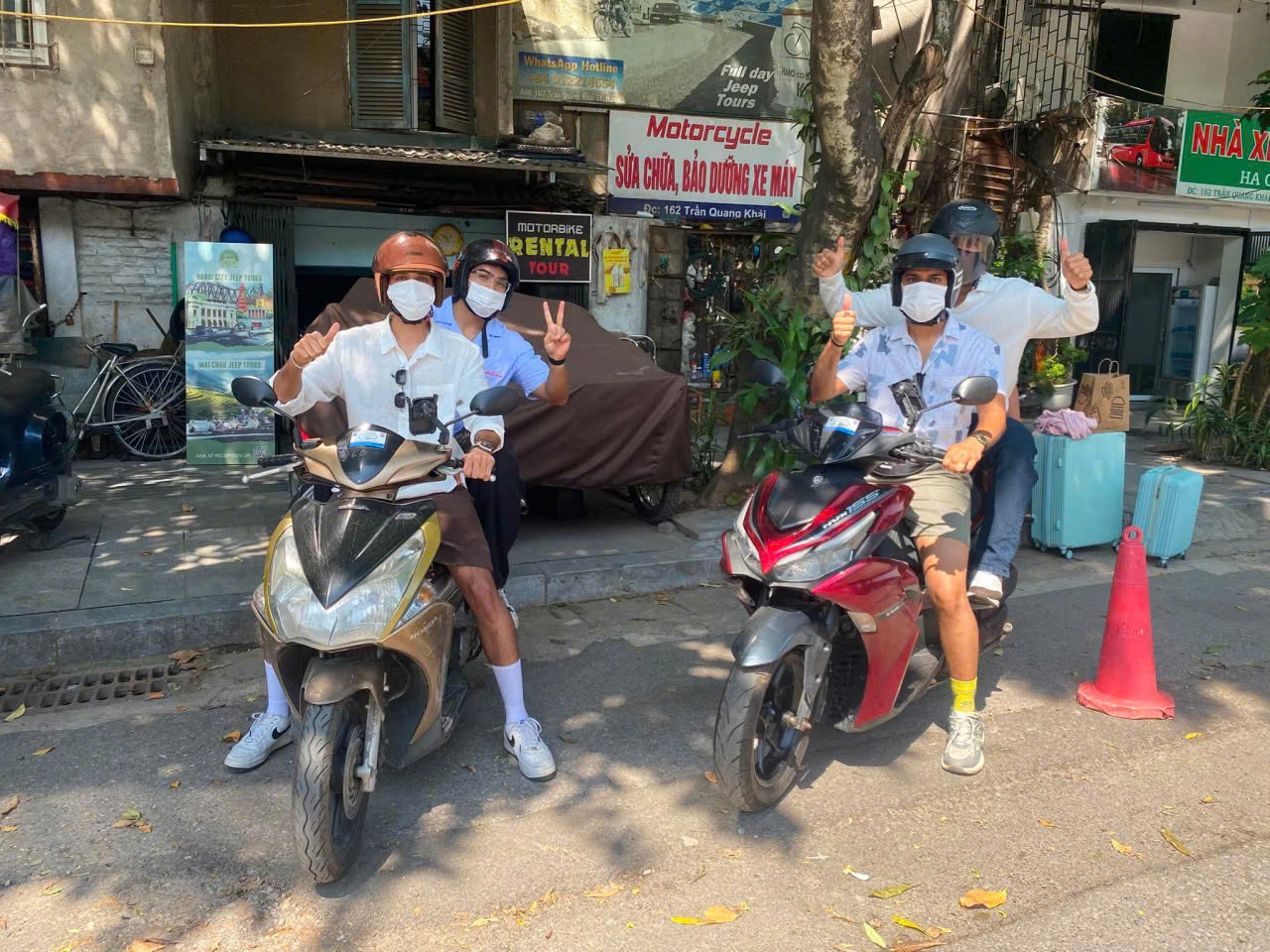
4. Always wear a helmet. Make sure the helmet fits properly and meets safety standards. Both the driver and passenger must wear helmets.
5. Follow Vietnamese traffic laws. Ride on the right-hand side of the road, obey traffic lights, follow speed limits, and never ride under the influence of alcohol.
6. Be careful in Hanoi traffic. The streets can be crowded, especially during rush hours. Watch out for other motorbikes, cars, pedestrians, and sudden turns.
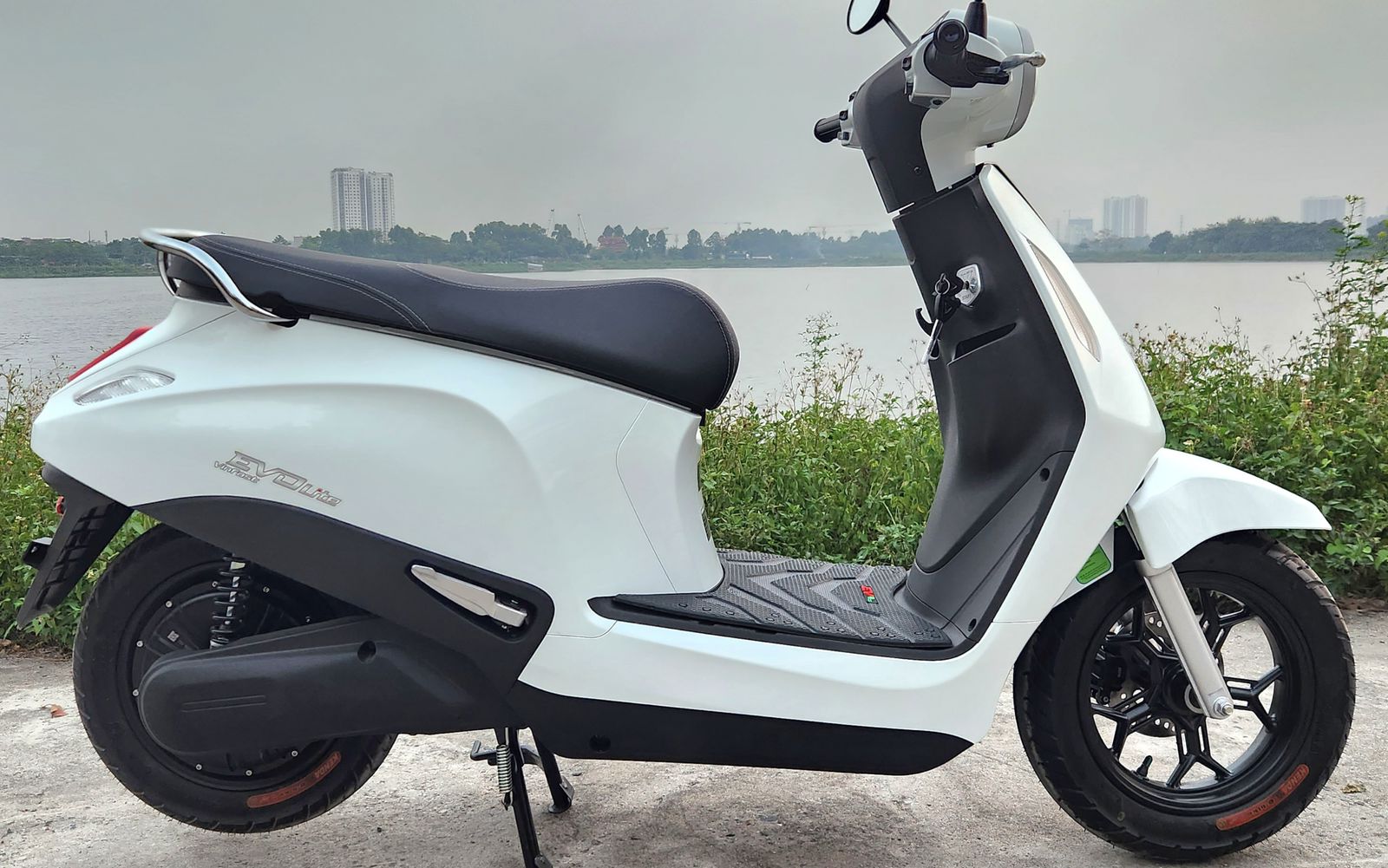
7. Choose a motorbike that suits your experience. If you are unfamiliar with Hanoi's traffic, consider a small, easy-to-handle scooter rather than a powerful motorbike.
8. Check your insurance coverage. Confirm whether the rental includes insurance and what it covers. Riding without the legally required license may affect insurance coverage.
9. Keep your belongings safe. Store your phone, wallet, and passport securely. Avoid using your phone while riding, and be cautious of bag snatching.
10. Park in designated areas. Ask the rental shop or your hotel where you can park legally. Some streets in the Old Quarter have parking restrictions.
11. Save the rental company's contact details. Keep their phone number handy in case of a breakdown, accident, or other emergency.
12. Return the motorbike on time. Check the return time, fuel requirements, and agreed condition to avoid extra charges or deposit disputes.
Important reminder: If you are not experienced with riding a motorbike in busy Asian traffic, consider joining a guided motorbike tour with a licensed local driver instead.
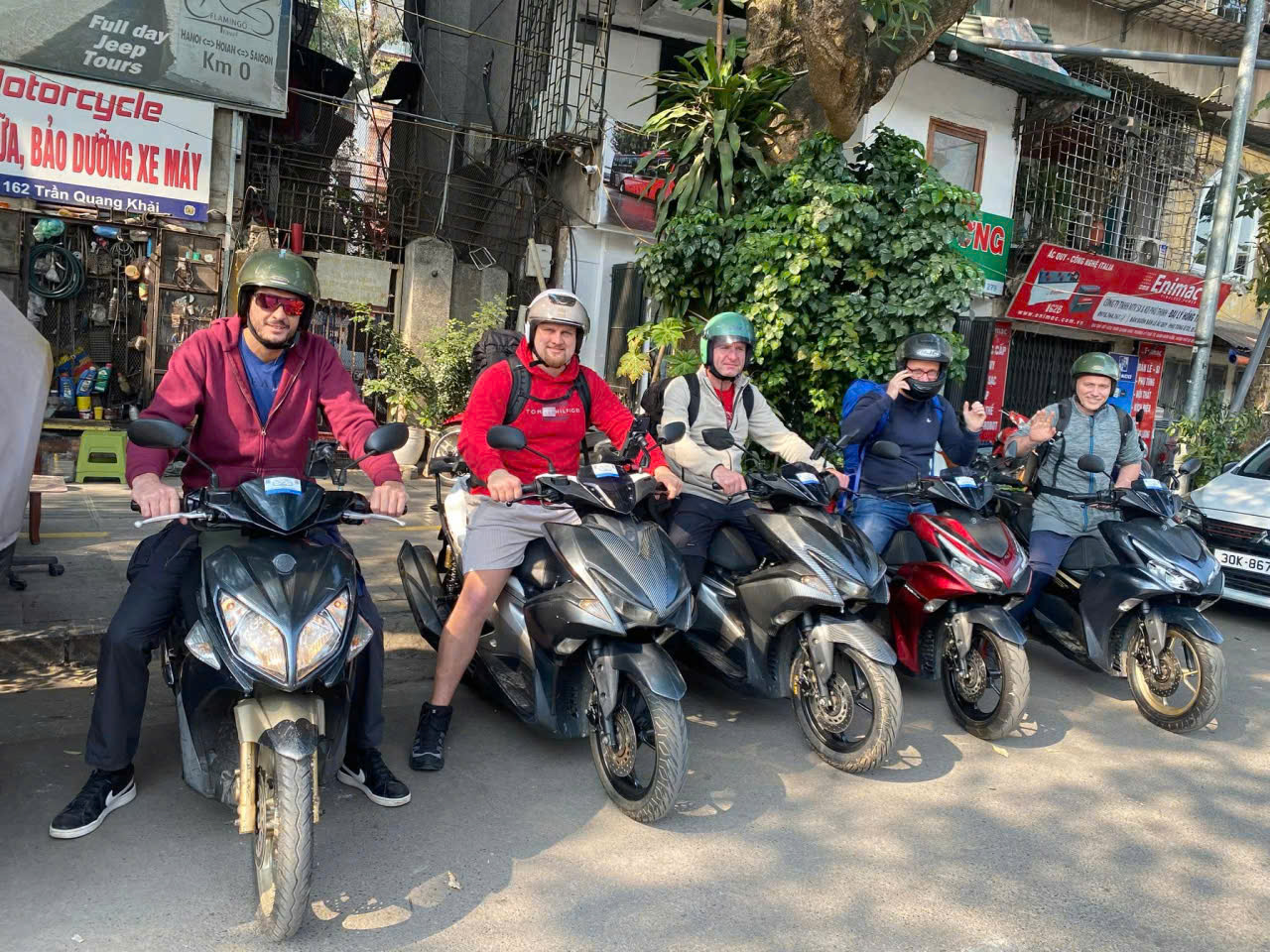
In conclusion, exploring Hanoi by motorbike is an exciting and flexible way to discover the city. It allows you to enjoy unique experiences, learn more about local life, and create unforgettable memories in your own way.