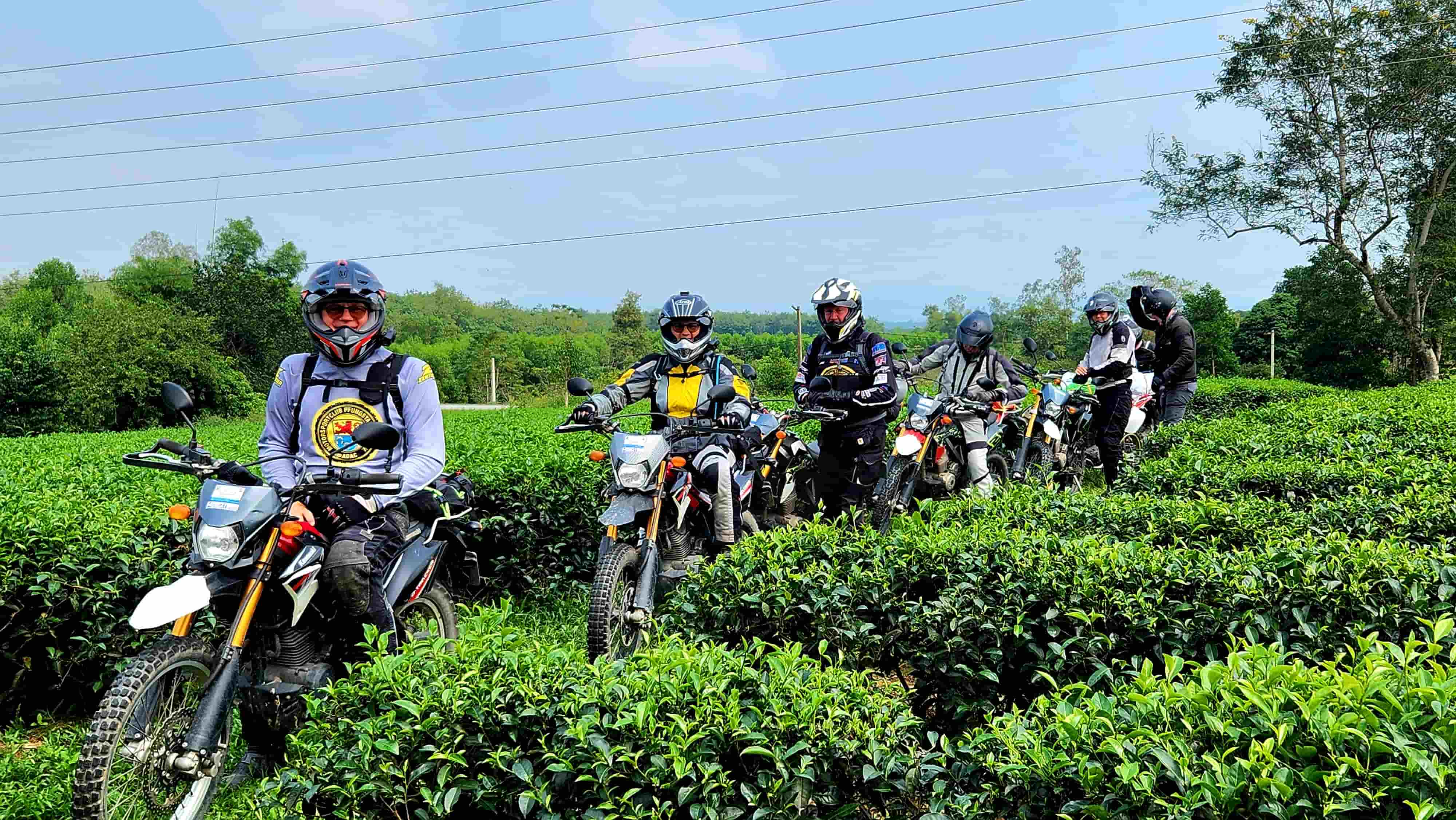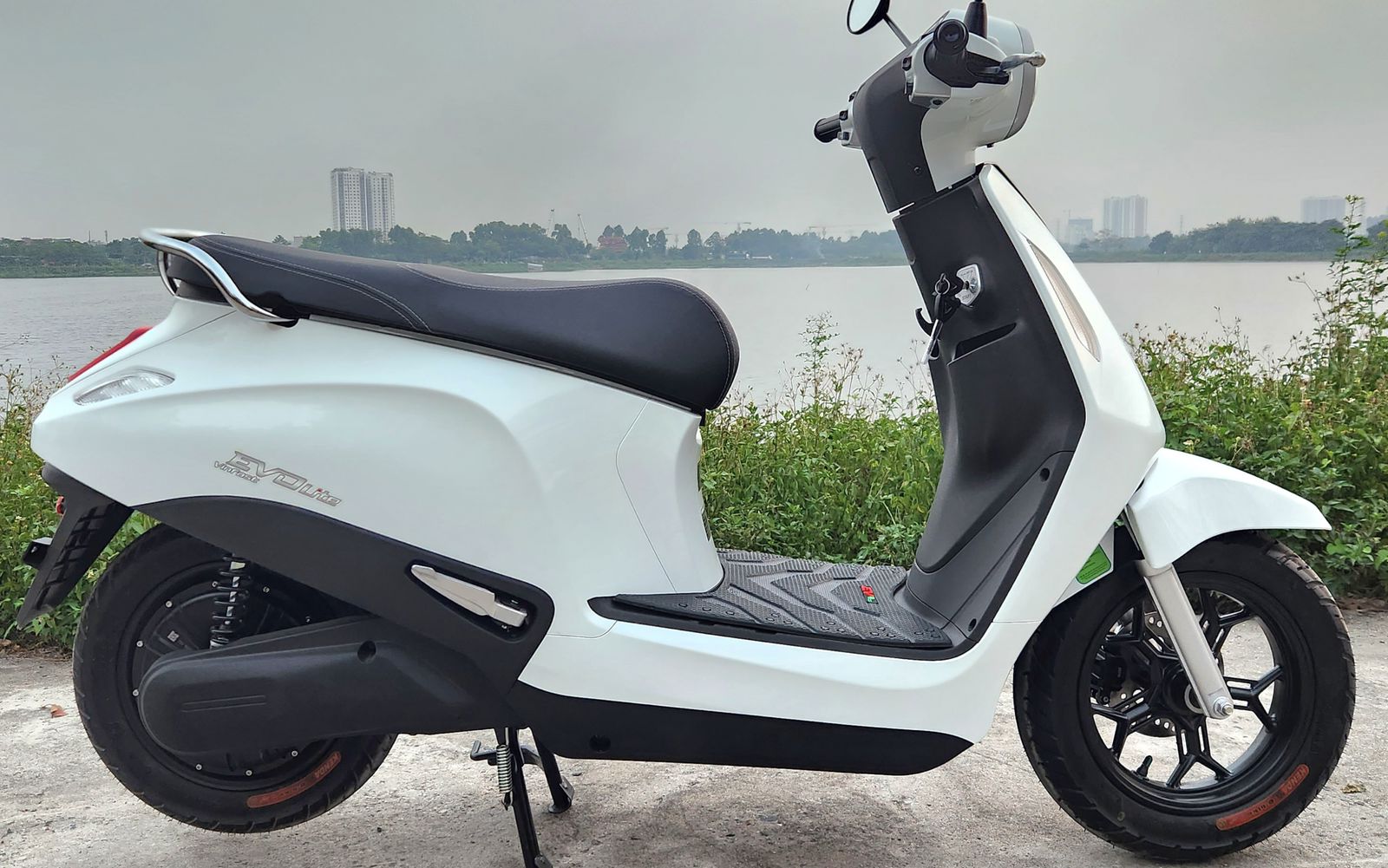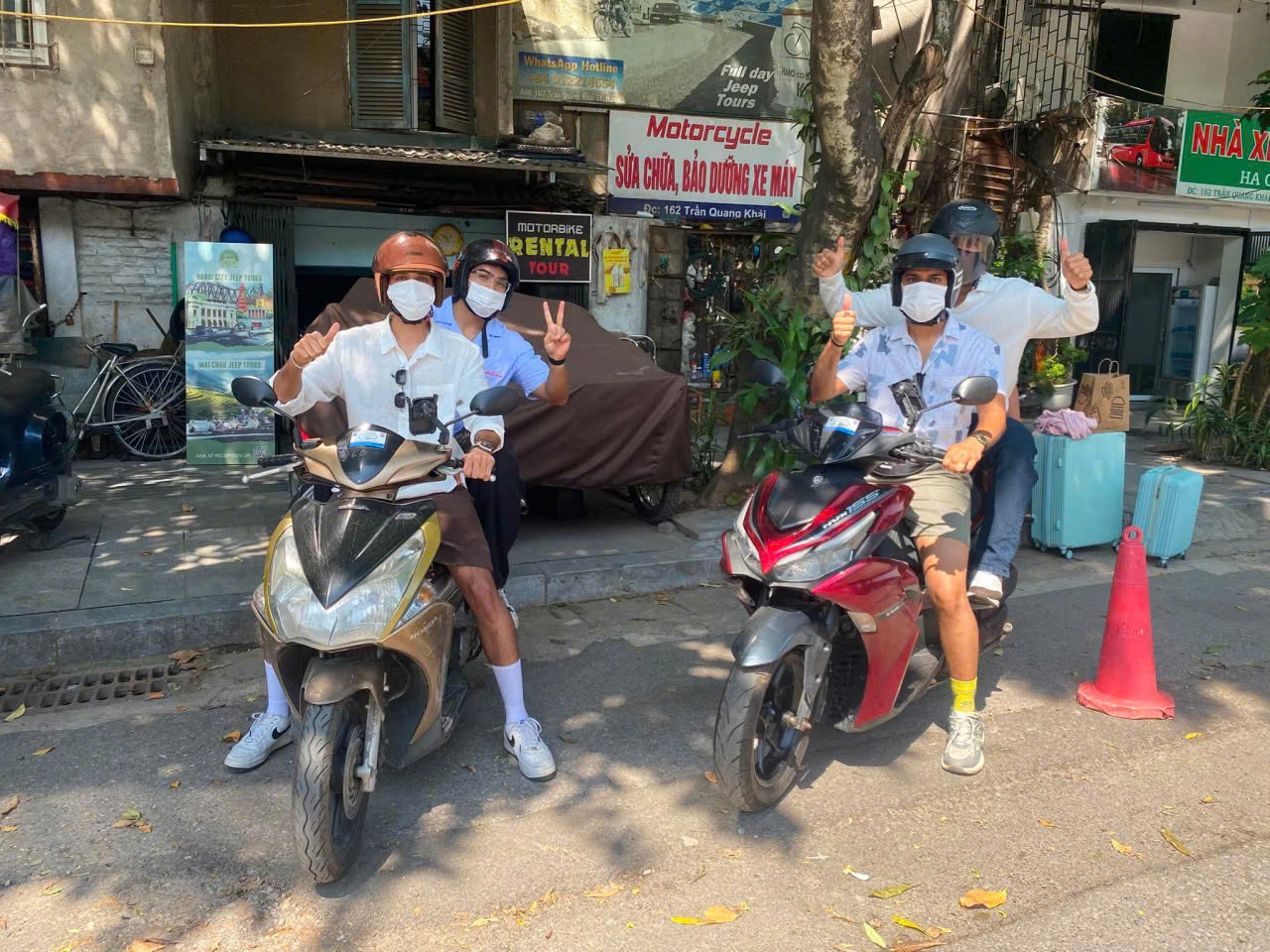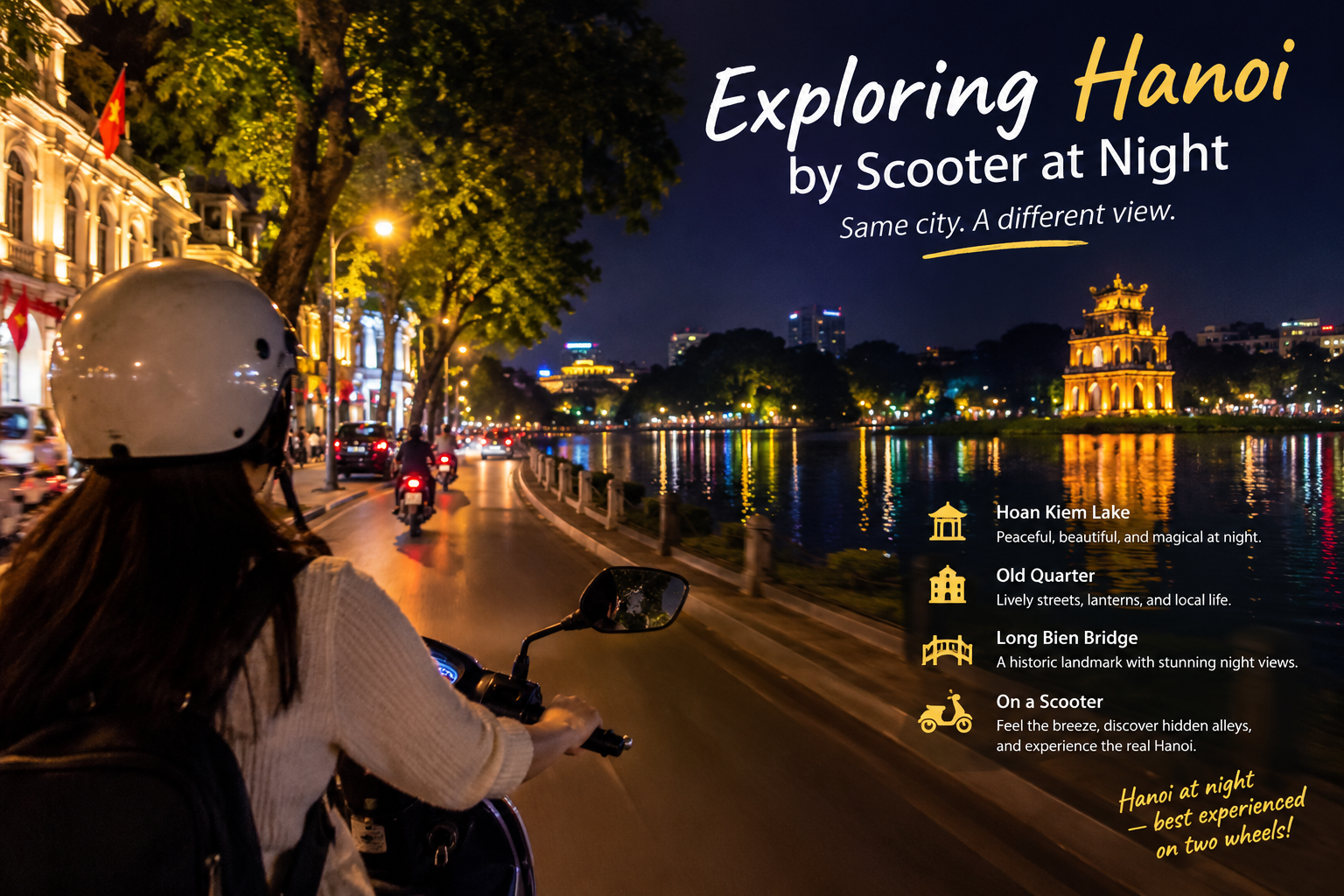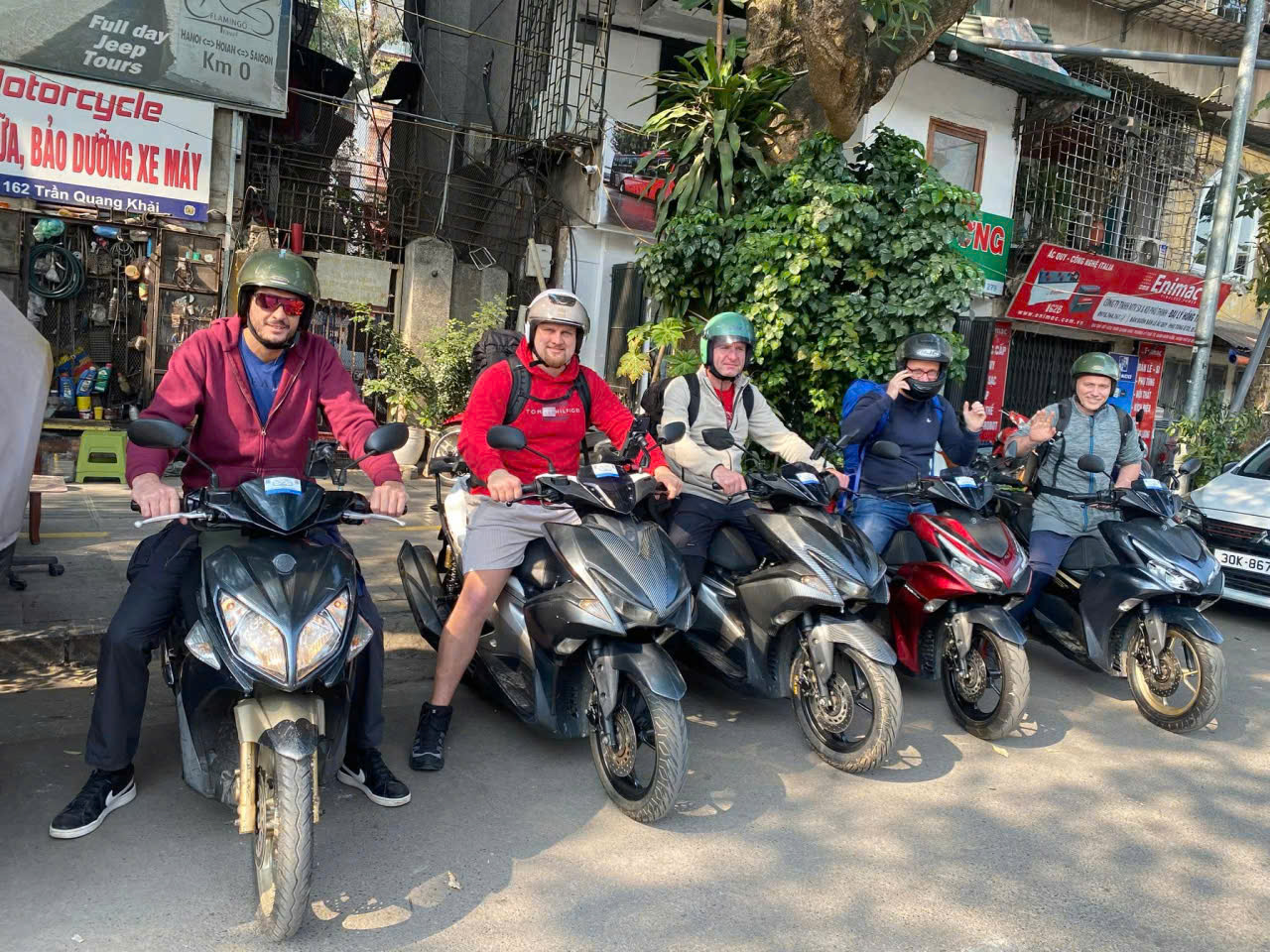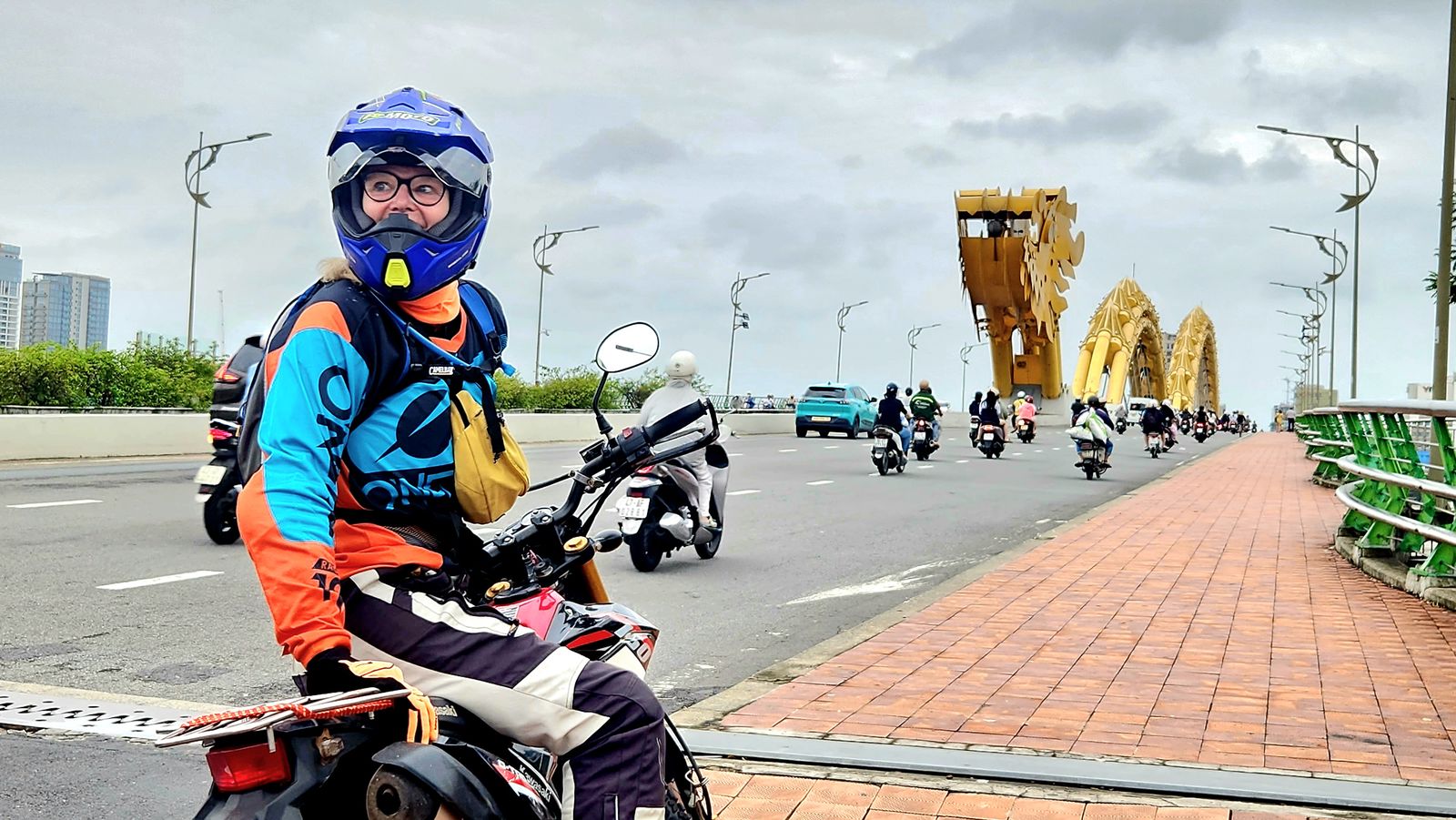
From the spectacular coastal roads and golden beaches to the dramatic mountain passes, traditional fishing villages, and ancient towns, the region offers an unforgettable journey for adventurous travelers. Riding through destinations such as Da Nang, Hoi An, Hue, and Phong Nha allows you to experience the country's natural beauty and local culture at your own pace.
However, choosing the right time to travel is essential. Weather conditions in Central Vietnam can vary significantly throughout the year, affecting road safety, visibility, and the overall riding experience.
1. February to April: The Best Time for a Motorbike Adventure
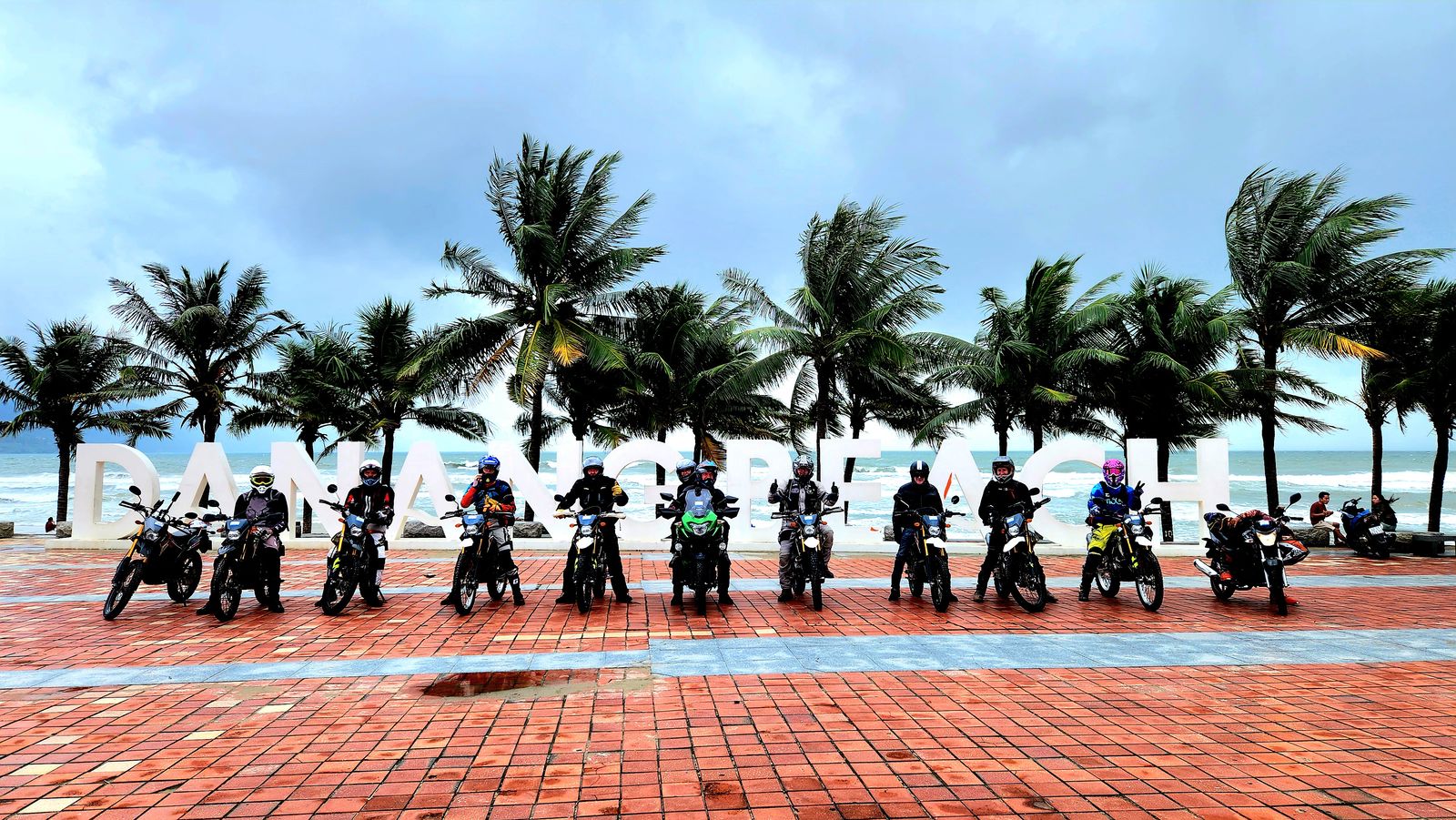
February to April is generally one of the best periods to travel Central Vietnam by motorbike. The weather is often pleasant, temperatures are comfortable, and rainfall is usually lower than during the wetter months.
This is an excellent time to ride along the coast, explore mountain roads, and visit historic destinations without dealing with frequent heavy rain.
In Da Nang, you can enjoy coastal scenery and ride over the famous Hai Van Pass, where winding roads reveal breathtaking views of mountains meeting the sea. In Hoi An, the dry weather makes it easier to explore the ancient town, nearby rice fields, and peaceful countryside. Further north, Hue offers opportunities to discover imperial architecture and the beautiful roads surrounding the former royal capital.
Why travel during this period?
-
Generally favorable conditions for long-distance rides.
-
Beautiful scenery and opportunities for photography.
-
More comfortable temperatures for outdoor activities.
-
Better chances of enjoying coastal roads and mountain viewpoints.
For travelers planning their first motorbike trip through Central Vietnam, February to April is an excellent starting point.
2. May to August: The Best Time for Sunshine and Coastal Scenery
May to August is typically the hottest period in Central Vietnam, with long sunny days and relatively little rain in many coastal areas, particularly compared with the autumn rainy season.
This period is ideal for travelers who want to combine motorbike adventures with beach visits, swimming, and exploring coastal communities.
The roads around Da Nang offer impressive ocean views, while the journey between Da Nang and Hoi An passes through lively coastal areas and quiet countryside. Travelers heading inland can discover the mountains and forests around Phong Nha, although temperatures can be especially high and midday riding may become exhausting.
Summer also brings vibrant beach life, making it a good season for travelers who enjoy warm weather and outdoor activities.
However, temperatures can rise considerably, especially in June, July, and August. Plan shorter riding days, carry plenty of drinking water, wear protective riding gear, and take regular breaks in the shade.
Why travel during this period?
-
Plenty of sunshine for coastal exploration.
-
Excellent opportunities to visit beaches.
-
Longer daylight hours for sightseeing.
-
Generally favorable conditions for many popular coastal routes.
The main disadvantages are the heat, stronger sun exposure, and potentially heavier tourist traffic during peak holiday periods.
3. September to November: Beautiful Landscapes but More Challenging Riding
September to November is generally the wettest and most weather-sensitive period in much of Central Vietnam. The region can experience heavy rainfall, tropical storms, flooding, and occasional typhoons.
Although the countryside becomes lush and the atmosphere can be beautiful, these months are less predictable for motorbike travel.
The risk is particularly important around Hue, Da Nang, and Hoi An, where prolonged rainfall can lead to flooding. Mountain roads may become slippery, and poor visibility can make winding passes more dangerous.
Travelers who choose to ride during this season should remain flexible and check local weather forecasts and road conditions before setting off.
If heavy rain or a storm is approaching, postponing a ride is much safer than attempting to continue along exposed coastal roads or through mountainous areas.
Why might you still travel during this period?
-
Lush green landscapes and dramatic skies.
-
Fewer crowds at certain destinations outside holiday periods.
-
A different perspective on the region's natural beauty.
Nevertheless, if your main goal is a long motorbike journey with reliable weather, it is generally better to choose another season.
4. December to January: Cooler Weather and a Quieter Atmosphere
December and January can be appealing for travelers who prefer cooler temperatures, but weather conditions vary across Central Vietnam.
The northern part of the region, including Hue, may experience cool, cloudy, and rainy days. Da Nang and Hoi An can also receive significant rainfall, particularly in December, although conditions vary from year to year.
As the dry season begins to establish itself, some days are pleasant for exploring historic towns, countryside roads, and cultural attractions. However, travelers should not assume that the entire region will be dry.
Pack a waterproof jacket, warm layers for cooler rides, and suitable footwear. Allow extra time for journeys and be prepared to change plans if rain affects road conditions.
December and January can still be rewarding months to visit, especially for travelers interested in local culture, food, and quieter sightseeing rather than consist.
5. Which Month Should You Choose?
If you want the best balance of comfortable weather, beautiful landscapes, and safer riding conditions, March and April are my top recommendations for a motorbike trip through Central Vietnam. February is also a good option, although some days can be cooler or cloudy.
For more reliable planning, keep these seasonal differences in mind:
|
Month |
Weather conditions |
Suitability for motorbiking |
|---|---|---|
|
February |
Mild, with some rain possible |
Very good |
|
March |
Warm and generally dry |
Excellent |
|
April |
Sunny and increasingly hot |
Excellent |
|
May |
Hot, mostly favorable coastal weather |
Very good |
|
June–August |
Very hot, generally dry on the coast |
Good, with heat precautions |
|
September |
Increasing rainfall and storm risk |
Unpredictable |
|
October–November |
Heavy rain and potential flooding |
Generally avoid long rides |
|
December–January |
Cooler, cloudy, and sometimes rainy |
Variable |
6. Essential Tips for a Safe Motorbike Trip
Whatever month you choose, a little preparation can make your journey much more enjoyable.
-
Check the weather before every ride. Conditions can change quickly, especially in mountainous areas.
-
Avoid riding in heavy rain. Floodwater, slippery surfaces, and poor visibility can make roads dangerous.
-
Start early. Morning rides help you avoid the strongest midday heat and leave more time for sightseeing.
-
Wear proper protective equipment. Use a suitable helmet, protective clothing, and closed-toe footwear.
-
Carry waterproof gear. A rain jacket and waterproof bags are useful even during the dry season.
-
Check your motorbike. Inspect the brakes, tires, lights, and engine before starting a long journey.
-
Make sure you're legally permitted to ride. Check Vietnam's current licensing and insurance requirements before renting or riding a motorbike.
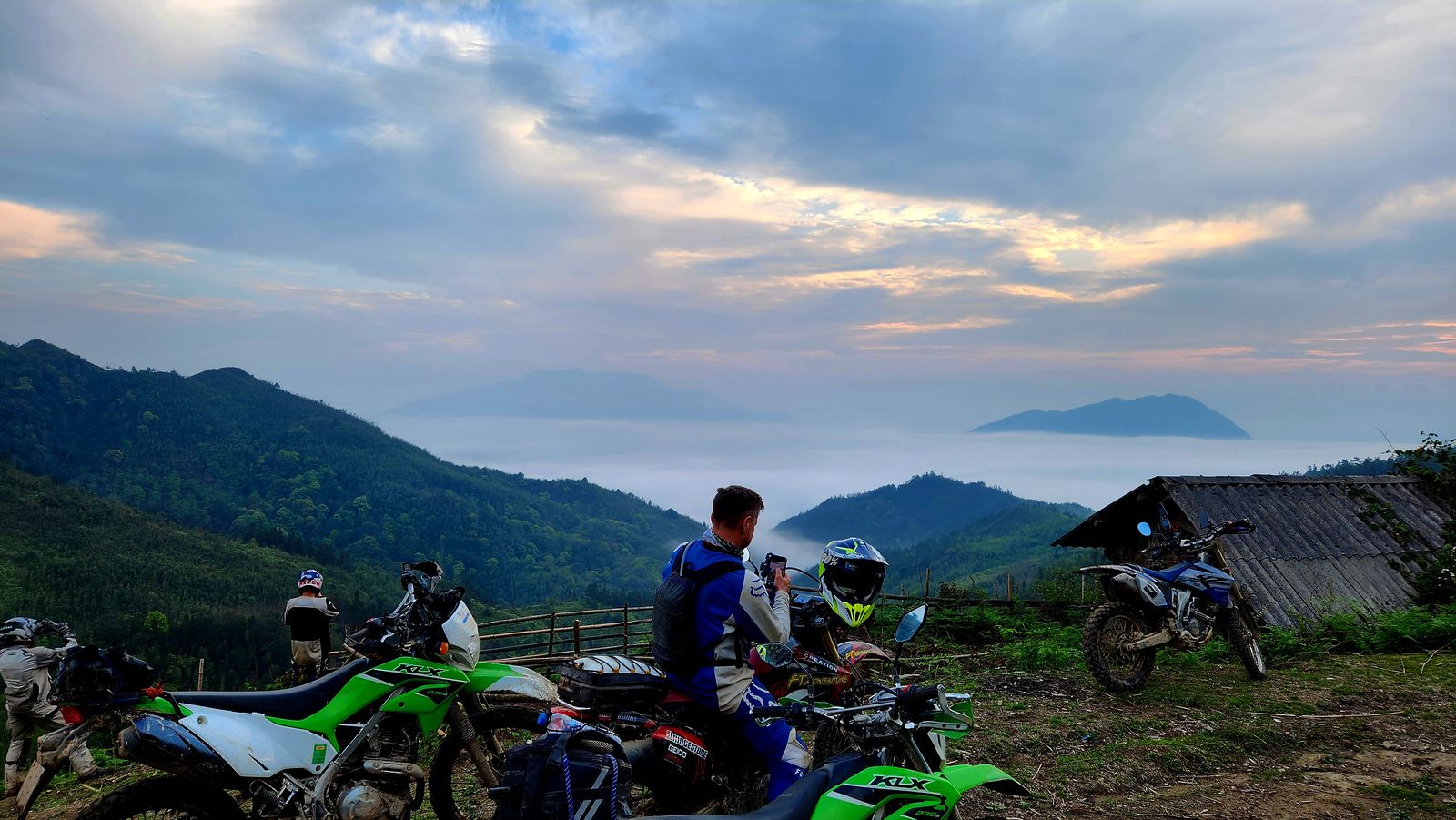
Conclusion: When Is the Best Time to Ride Through Central Vietnam?
Central Vietnam is a wonderful destination for motorbike adventures, offering everything from winding mountain passes and beautiful beaches to historic cities and quiet rural landscapes.
February to April is generally the best period for a comfortable and enjoyable journey, with March and April standing out as particularly good choices. May to August can also be excellent if you enjoy sunny weather and don't mind the heat.
If possible, avoid planning a tight motorbike itinerary during the peak rainy season from September to November, when storms and flooding can disrupt travel.
Ultimately, the best motorbike journey is not simply about reaching your destination. It's about enjoying the freedom of the open road, stopping at hidden viewpoints, discovering local life, and experiencing the extraordinary beauty of Central Vietnam at your own pace.