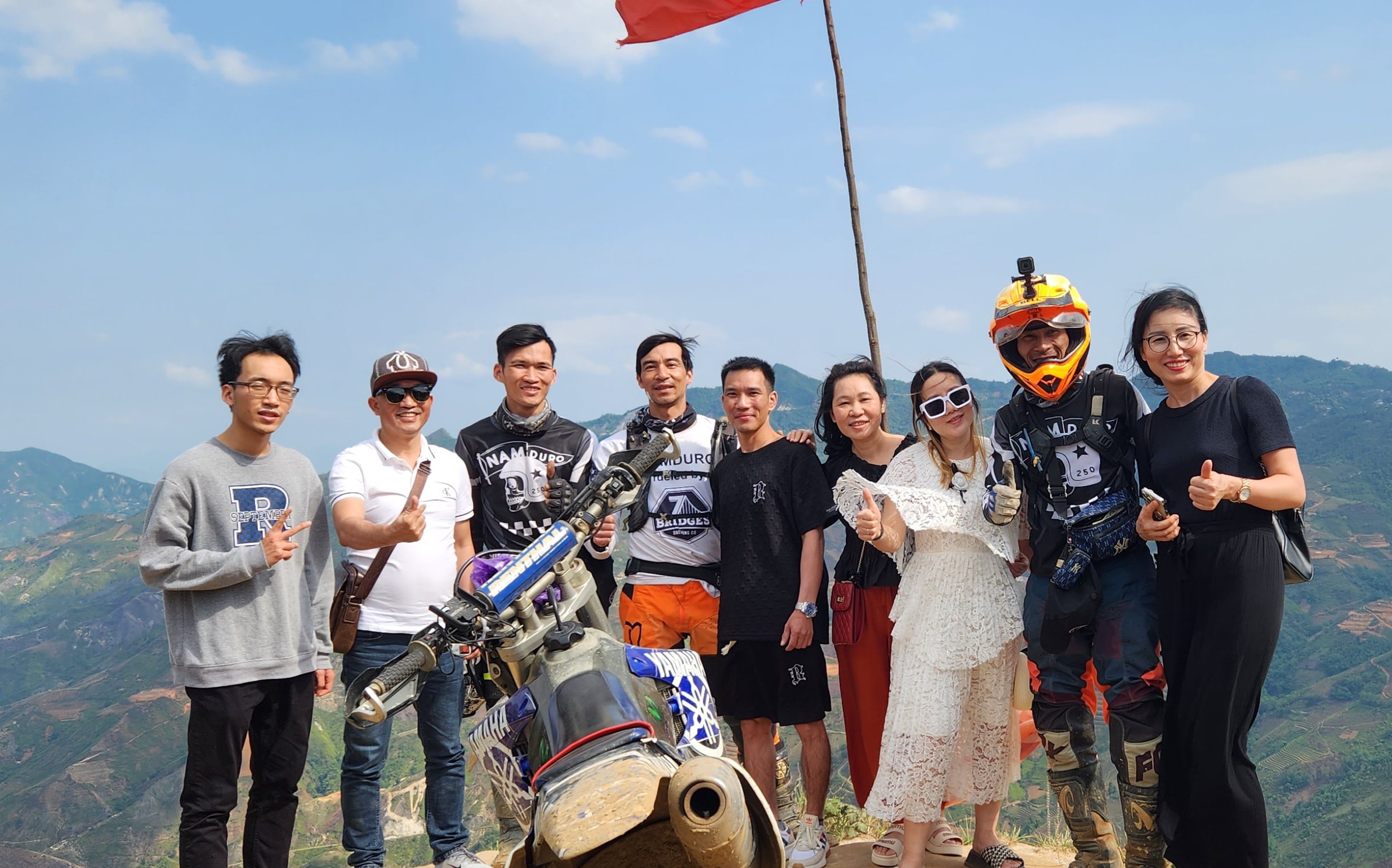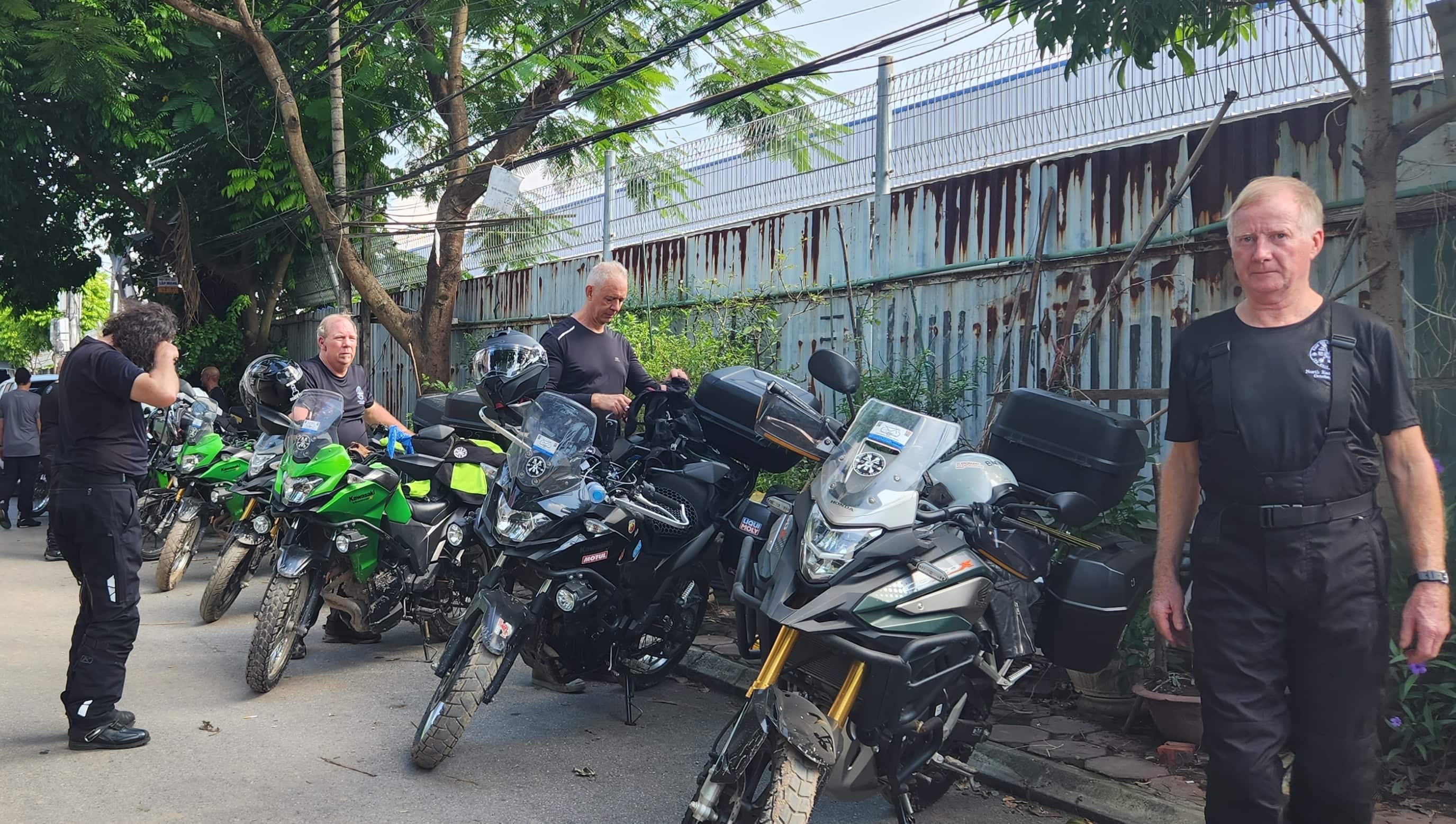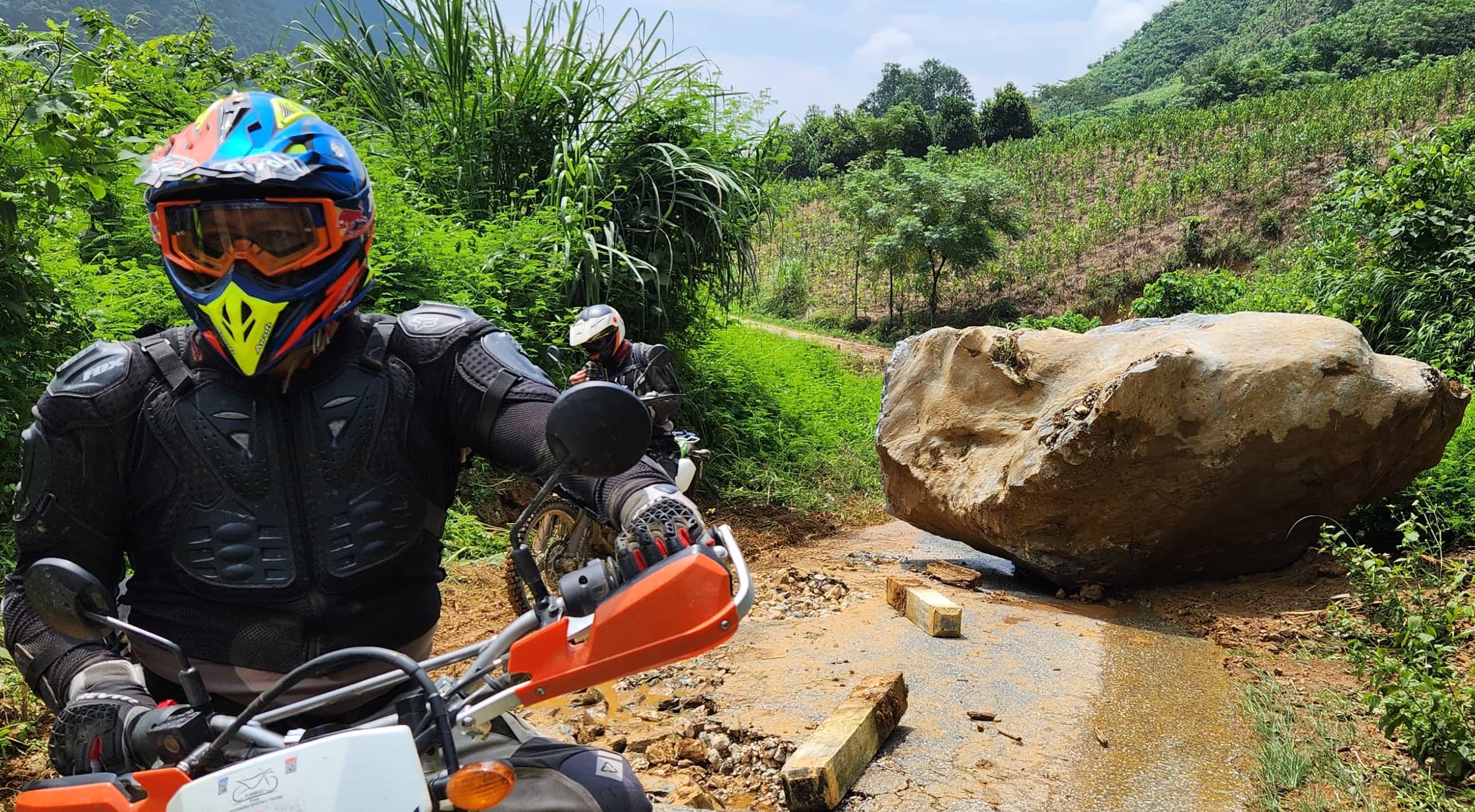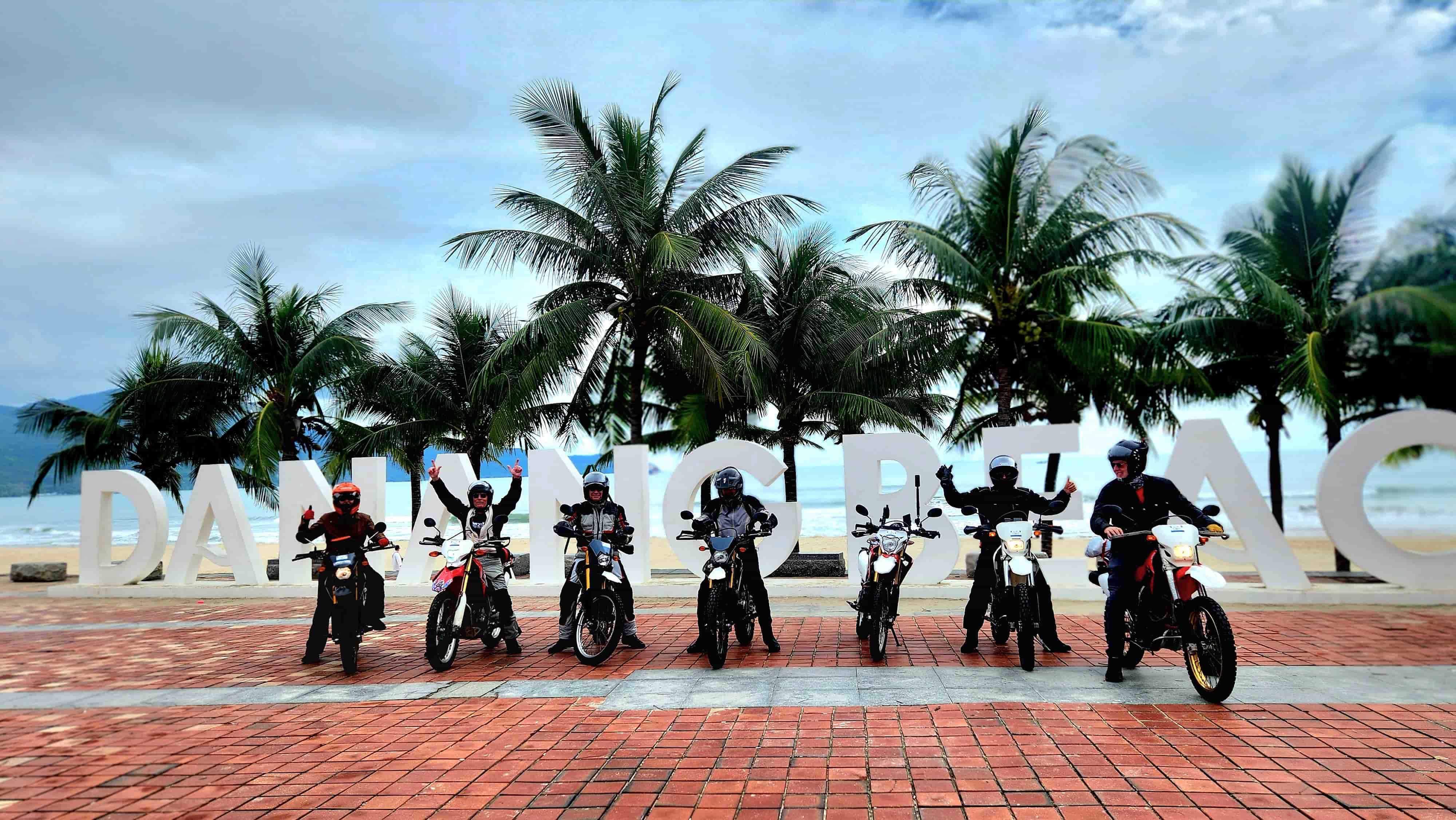
After years of supporting international riders, Flamingo Travel has learned that the best motorcycle is not always the biggest or most expensive—it is the one that suits your experience, build, luggage and route. Let see the local ride on the mountain today.
Do Not Rent a Motorbike by Engine Size Alone
Engine capacity matters, but it should never be the only deciding factor. A lightweight and manageable 150cc motorbike can be a far better choice than a heavy 300cc motorcycle, especially on narrow roads, steep mountain passes or tight turns.
Before choosing your motorbike, ask yourself:
- Have you ridden a semi-automatic, manual-clutch or larger motorcycle before?
-
Will your journey mainly cover city streets, highways, mountain roads or dirt tracks?
-
Are you travelling alone or carrying a passenger?
-
How much luggage will you bring?
-
Can you put your feet down securely and control the motorbike when stopping on a slope?
-
Is this a day trip, a multi-day adventure or a journey across Vietnam?
Your answers will help you choose a motorbike that feels safer, more comfortable and easier to
control.
110–125cc Semi-Automatics: Light, Economical and Easy to Ride
Models such as the Honda Dream 110, Honda Blade 110 and Honda Future 125 are ideal for riders looking for something lightweight, fuel-efficient and straightforward to handle.
These bikes are well suited to:
-
City travel
-
Short trips around Hanoi, Hoi An or Ho Chi Minh City
-
Flat roads in generally good condition
-
Riders new to Vietnamese traffic
-
Solo travellers carrying light luggage
-
Riders who do not need high-speed performance
A semi-automatic motorbike allows you to select lower gears when descending hills, providing more control than an automatic scooter. However, a 110–125cc motorbike may struggle when carrying two people with heavy luggage or regularly crossing long, steep mountain passes.
125–155cc Automatic Scooters: Convenient for Cities and Coastal Roads
Automatic scooters such as the Honda Air Blade 125, Yamaha Lexi and Yamaha NVX 155 are easy to operate and usually offer useful storage space beneath the seat.
They are a practical choice for:
-
Exploring cities
-
Short day trips
-
Coastal roads and well-paved routes
-
Riders unfamiliar with manual clutches
-
Travellers who need convenient storage for personal items
Automatic scooters are not designed for difficult dirt roads, deep mud or demanding mountain terrain. They also provide less direct engine braking than semi-automatic or manual motorcycles, so riders must manage speed and braking carefully on long descents. For city streets, coastal highways and relaxed journeys on good roads, however, an automatic scooter can be one of the easiest and most comfortable options.
150cc Manual Motorbike: Versatile for Longer Journeys
Manual-clutch motorcycles such as the Honda Winner 150X and Honda CB150X offer a useful balance of power, weight and control.
They are suitable for:
-
Multi-day journeys
-
Mountain roads and paved passes
-
Routes from Hanoi to Mai Chau, Sapa or Ha Giang
-
Riders already familiar with manual clutches
-
Travellers wanting a capable bike without excessive weight
A well-maintained 150cc manual bike provides enough power for most paved routes in Vietnam. Its moderate weight also makes it easier to handle in city traffic, stop on slopes and maneuver through narrow roads.
If you have never used a manual clutch, do not choose this type of bike simply because you want more power. Learning to coordinate clutch, gears and throttle while adapting to Vietnamese traffic can quickly turn an exciting journey into a stressful one.
150–250cc Dual-Sports: Built for Mountains and Mixed Terrain
Motorcycles such as the Kawasaki KLX 150, Honda XR190, Honda FT230, Kawasaki KLX 230, Yamaha Tricker 250 and Honda XR250 are designed to handle both paved roads and unsealed tracks.
Typical dual-sport features include:
-
Higher ground clearance
-
Longer-travel suspension
-
An upright riding position
-
Better visibility
-
Greater confidence over potholes and broken surfaces
-
Tyres and frames designed for mixed terrain
These bikes are worth considering for journeys through Ha Giang, Cao Bang, Sapa, the Northwest or the smaller backroads of the Central Highlands.
Seat height is an important consideration. A motorcycle may perform brilliantly on dirt but still be the wrong choice if the rider cannot put a foot down securely when stopping or turning on a steep road.
Choose a bike you can control at walking speed, not just one that looks capable in photographs.
300–500cc Motorcycles: Comfortable for Long Distances but Best for Experienced Riders
Models such as the Honda CB 150X, Honda Ft 230, Kawasaki Versys 300, Honda CRF300L and Honda NX500 are suitable for experienced riders looking for stronger performance and greater comfort over long distances.
Depending on the model, they may be appropriate for:
-
Cross-country journeys
-
Trips lasting two weeks or longer
-
Two-up riding
-
Carrying more luggage
-
Routes combining highways, mountains and dirt roads
-
Riders accustomed to taller and heavier motorcycles
A larger engine can deliver smoother performance and additional power on long journeys. However, bigger motorcycles are also heavier and more demanding at low speeds.
Riders should be honest about their experience, particularly when navigating crowded streets, slippery mud, narrow mountain roads or sloping parking areas. A powerful motorcycle offers little advantage if the rider cannot confidently control its height and weight.
Match the Motorcycle to the Journey
|
Type of journey |
Recommended motorcycle |
|
City travel |
110–155cc semi-automatic or automatic scooter |
|
Short day trip |
125–155cc semi-automatic, automatic or manual bike |
|
Mainly paved mountain roads |
150cc manual or 150–250cc dual-sport |
|
Dirt roads and mixed terrain |
150–300cc dual-sport/dirt motorcycle |
|
Cross-Vietnam journey |
150–500cc touring or adventure motorcycle |
|
Two riders with luggage |
A motorcycle with a comfortable seat, suitable suspension and secure luggage system |
This table is only a general guide. Your experience, height, physical build and confidence remain the most important factors.
Riding Solo, Carrying a Passenger or Travelling with Luggage?
If you are riding alone with light luggage, you will have far more options. A reliable 125–150cc motorbike is enough for many everyday journeys through Vietnam.
When travelling with a passenger, look for:
-
A seat that is long and comfortable enough for two
-
Suspension suitable for the combined weight
-
Sufficient engine power for mountain roads
-
A strong luggage rack or pannier system
-
Comfortable footrests for the passenger
Avoid hanging heavy bags from the handlebars or stacking luggage too high behind the rider. Your luggage should be evenly distributed, securely fastened and kept away from the exhaust, wheels and other moving parts.
The amount of luggage you carry affects handling just as much as the engine size.
Test the Motorbike Before You Set Off
Before accepting the motorcycle, sit on it and check:
-
Can you put your feet down securely?
-
Can you stand, push and turn the motorbike by yourself?
-
Are the clutch, brake levers and gear selector comfortable to use?
-
Does the riding position feel natural?
-
Can you control the motorbike with a passenger or luggage?
-
Does the bike feel balanced at low speed?
Whenever possible, take a short test ride before attaching your luggage and beginning the journey.
A few minutes in the car park can reveal that a motorbike is too tall, too heavy or simply uncomfortable. It is much better to change to another style motorbike at the rental office than to discover the problem on a remote mountain road.
Check Your Licence, Insurance and Rental Equipment
Before departure, confirm that your driving licence is appropriate for the motorcycle you plan to ride and that your insurance covers motorcycling in Vietnam.
You should also confirm what equipment is included with the rental, such as:
-
Helmet
-
Luggage rack
-
Bungee cords or luggage straps
-
Motorcycle lock
-
Basic tool kit
-
Spare parts for longer journeys
-
Breakdown support
-
Emergency contact details
For multi-day trips, ask the rental company about maintenance intervals, oil changes, chain care and the correct procedure if the motorcycle develops a problem.
Knowing who to call and what to do during a breakdown is just as important as choosing the bike itself.