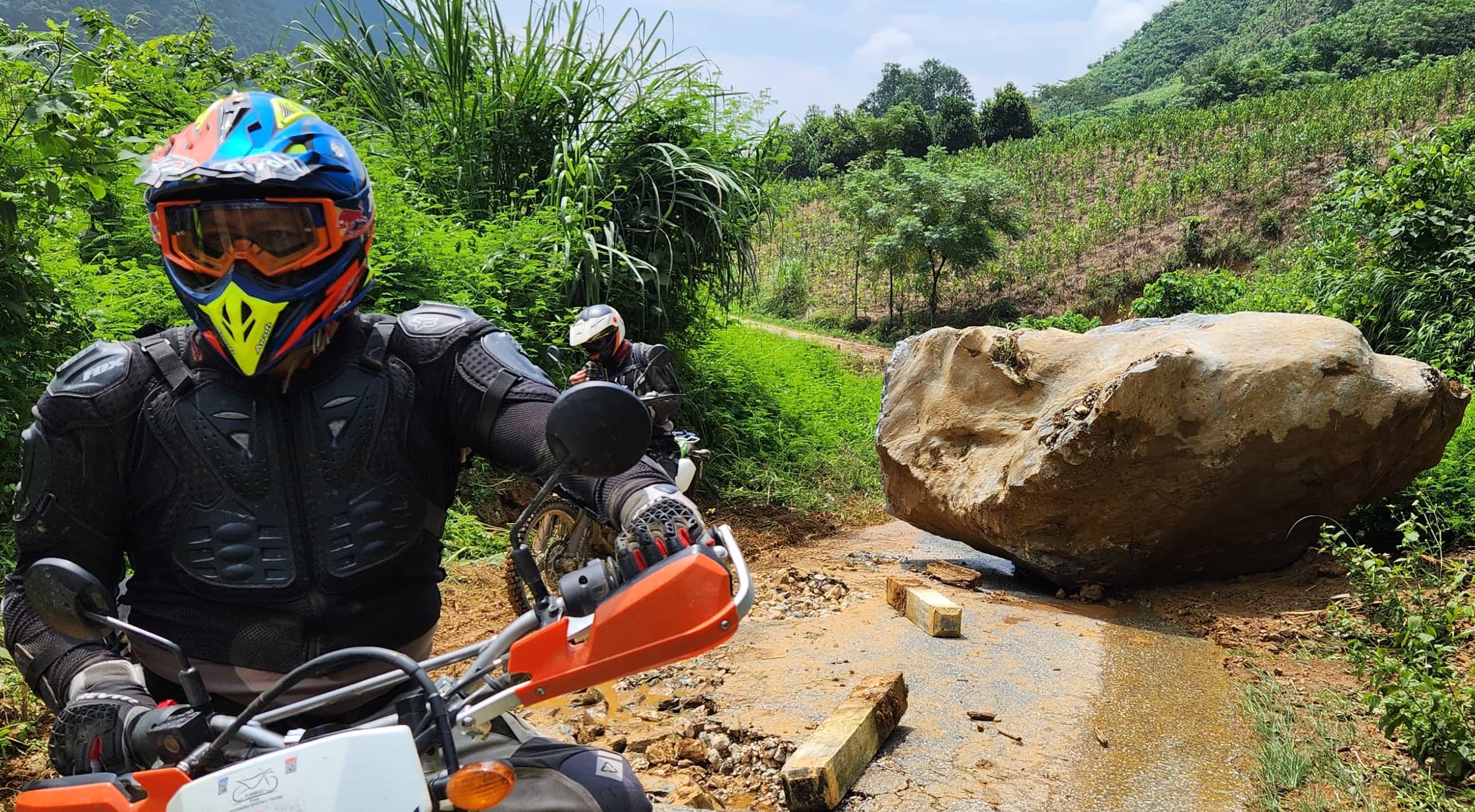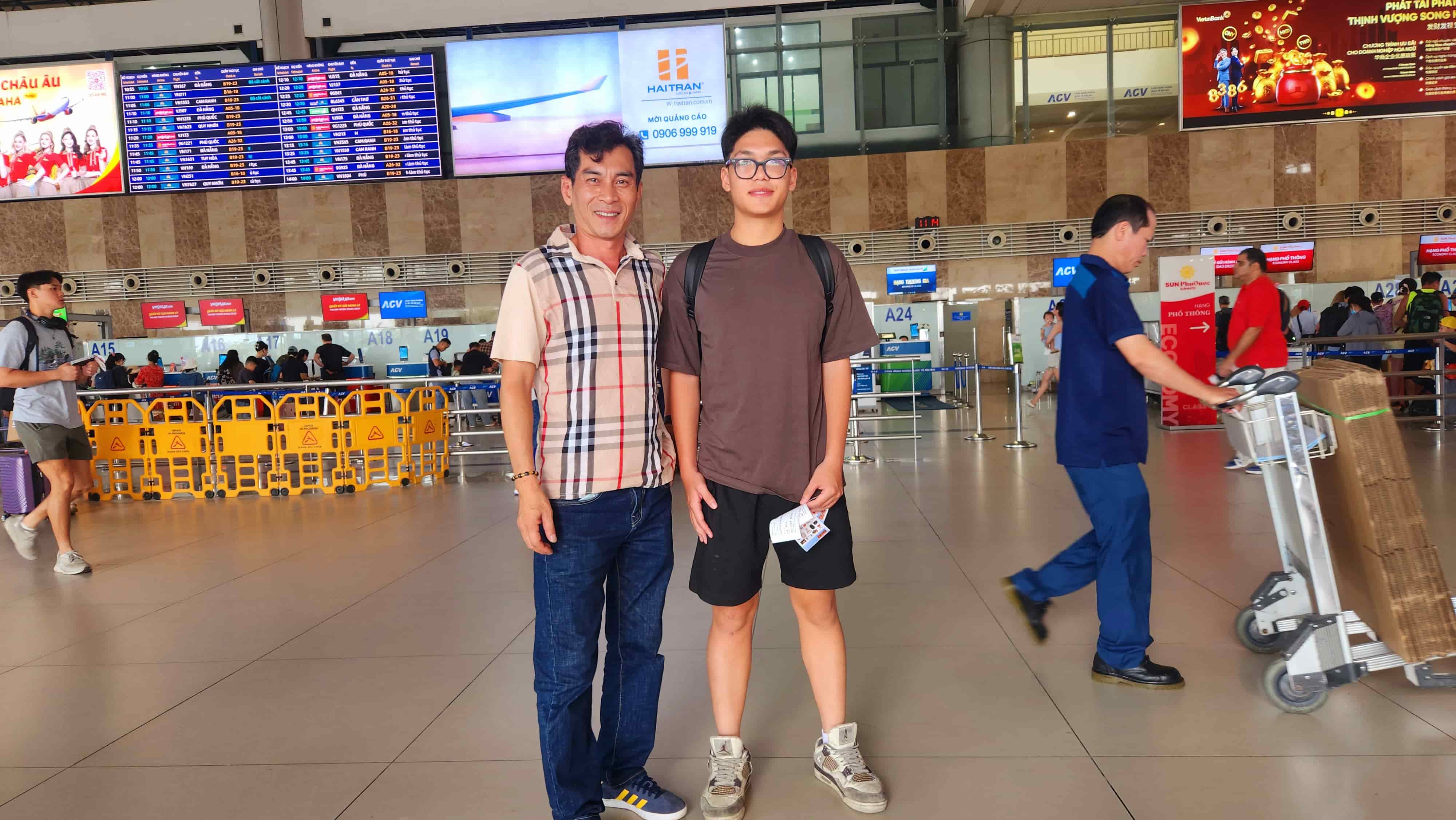
Tip had just completed his high school graduation exams and was preparing for university. I planned the journey as a reward for everything he had achieved, but also as a chance for us to spend time together and share something new before the next chapter of his life began.
We flew from Hanoi to Ho Chi Minh City and set out on a Kawasaki KLX 230 and a Honda Winner 150. It was our first long-distance motorbike journey with just the two of us - five days of quiet roads, river crossings, local food and the everyday rhythms of the Mekong Delta.
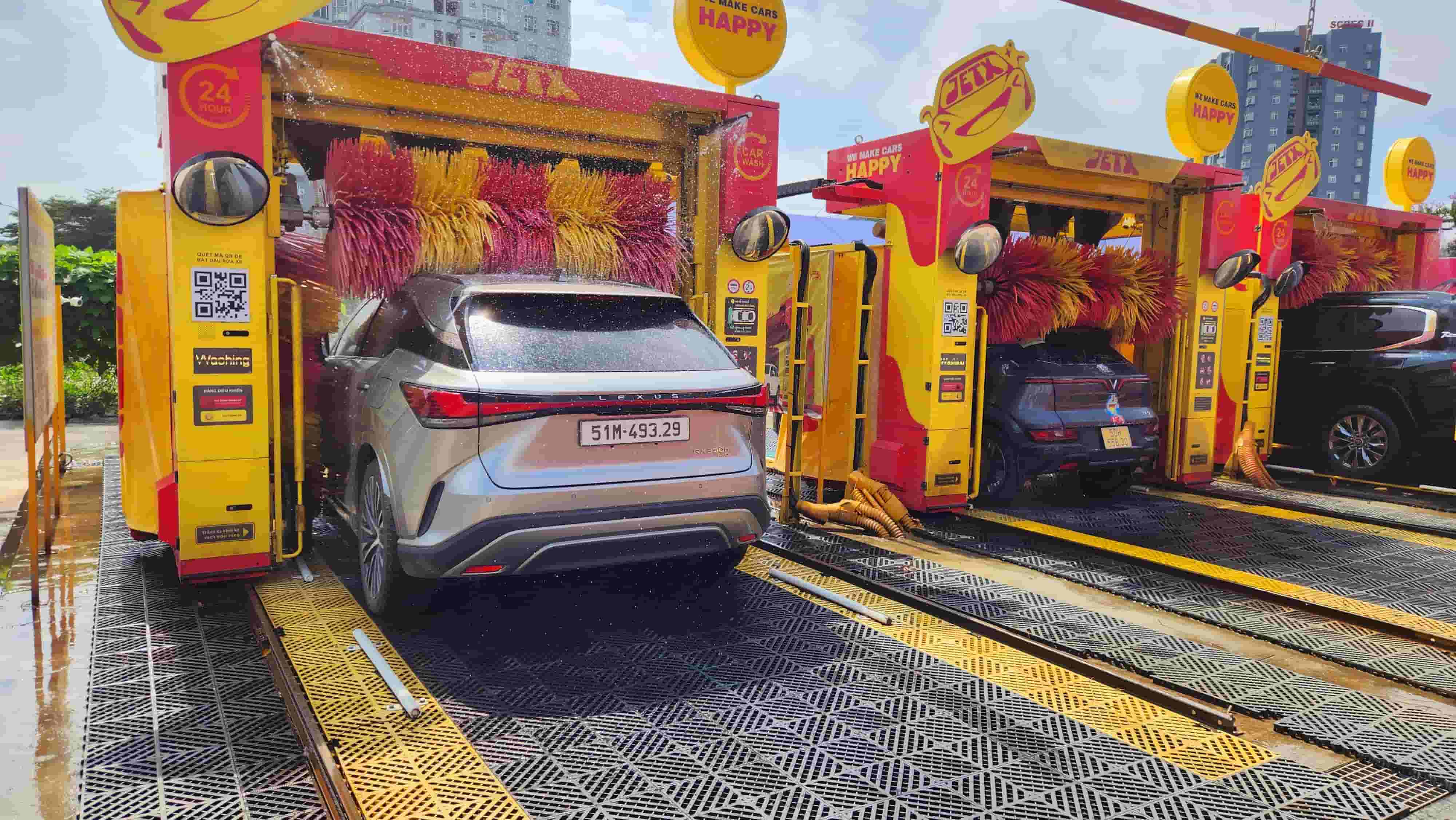 Automatic car washing
Day 1: Flamingo Travel Office to My Tho | Approx. 80 km
After a good night's sleep at a homestay near the Flamingo Travel office, we woke ready for our first day on the road. The distance was short, so we checked the motorbikes and luggage, then waited until 10:00 a.m. to avoid the morning rush through Ho Chi Minh City.
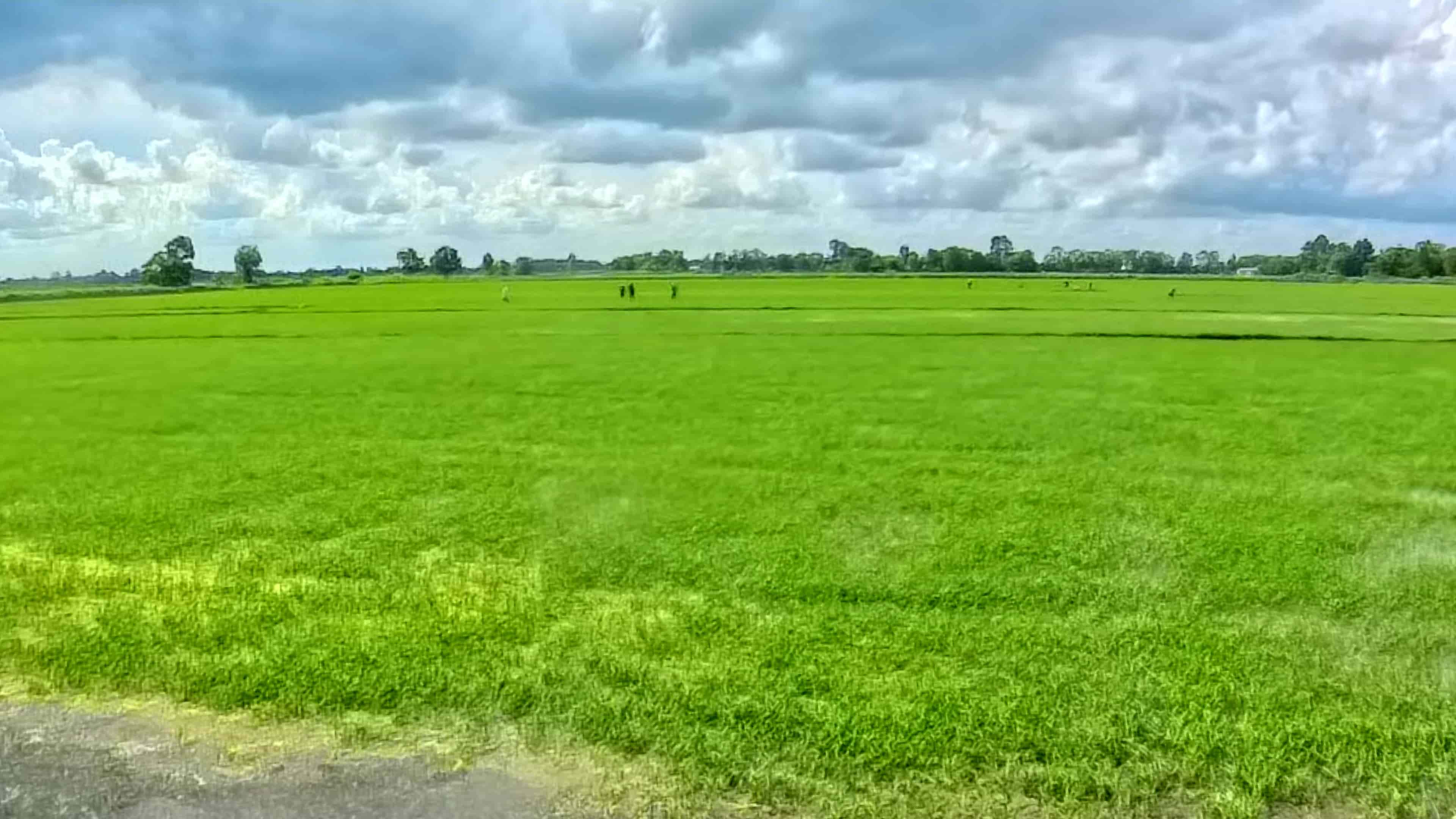
Rather than stay on the busiest roads, we followed smaller lanes through villages on the edge of the city before joining National Highway 50 towards My Tho. Traffic gradually thinned, and dense neighbourhoods gave way to fields, waterways and a slower pace of life. The landscape was beginning to feel unmistakably Mekong.
We ended the day at a homestay about 5 km outside My Tho, with the first stage safely behind us.
Day 2: My Tho to Ben Tre and Bay Tom | Approx. 80 km
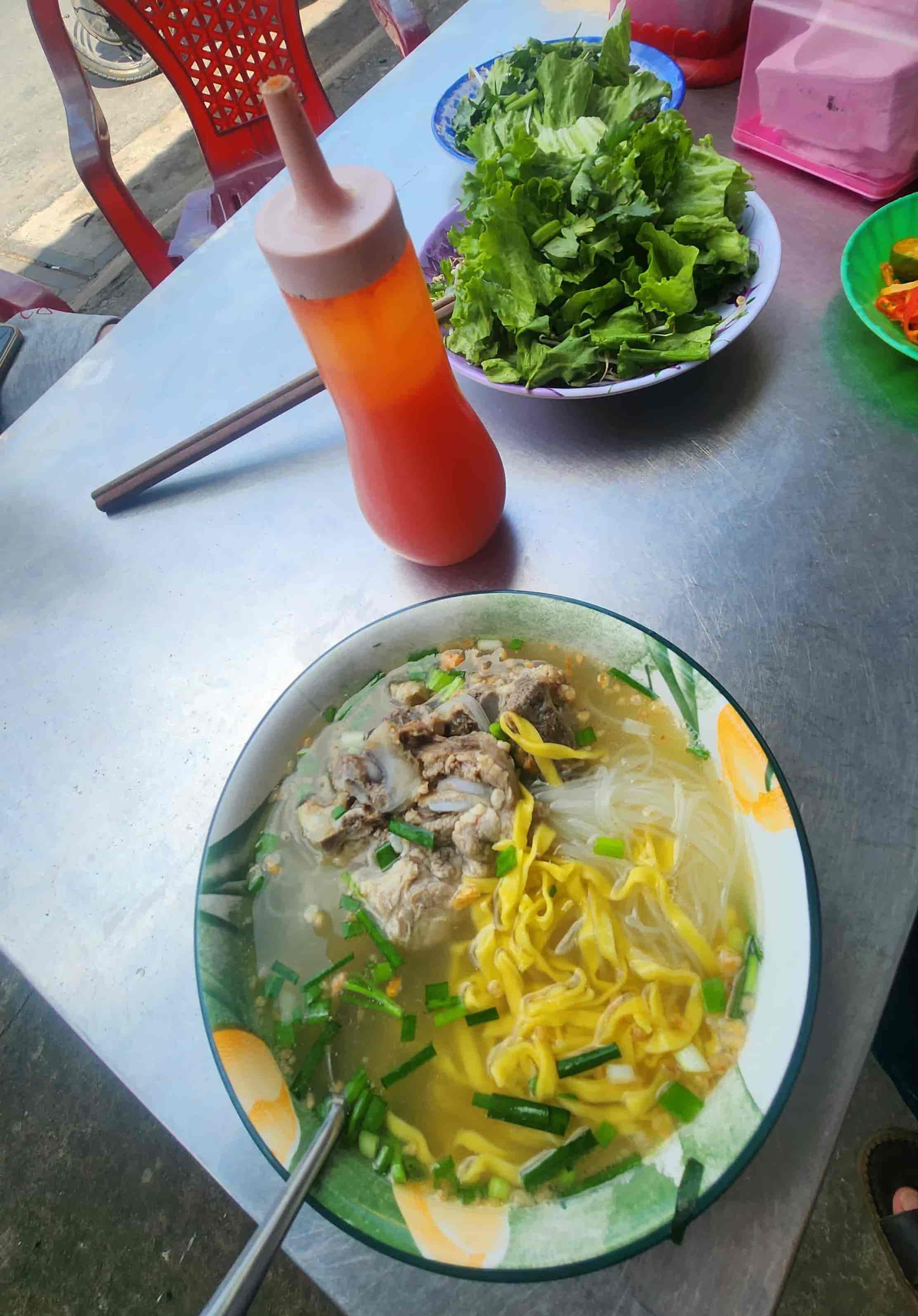
The morning began with bowls of hu tieu mi suon - white rice noodles and yellow egg noodles served with tender pork ribs in a rich broth. It was a simple local breakfast and the perfect start to the day.
Before returning to the homestay for our luggage, we stopped for coffee and found a World Cup match playing live on television. Within minutes, we were cheering alongside the locals. The time difference may push matches late into the night in Vietnam, but it does little to quiet the country's love of football.
From My Tho, we rode through Ben Tre towards Ba Tri, a district shaped by revolutionary history and the culture of Vietnam's coconut country. Narrow roads ran beneath long rows of palms and beside small canals. At a coconut workshop, we watched workers remove the husks and separate the flesh before it was sent on for processing and export.
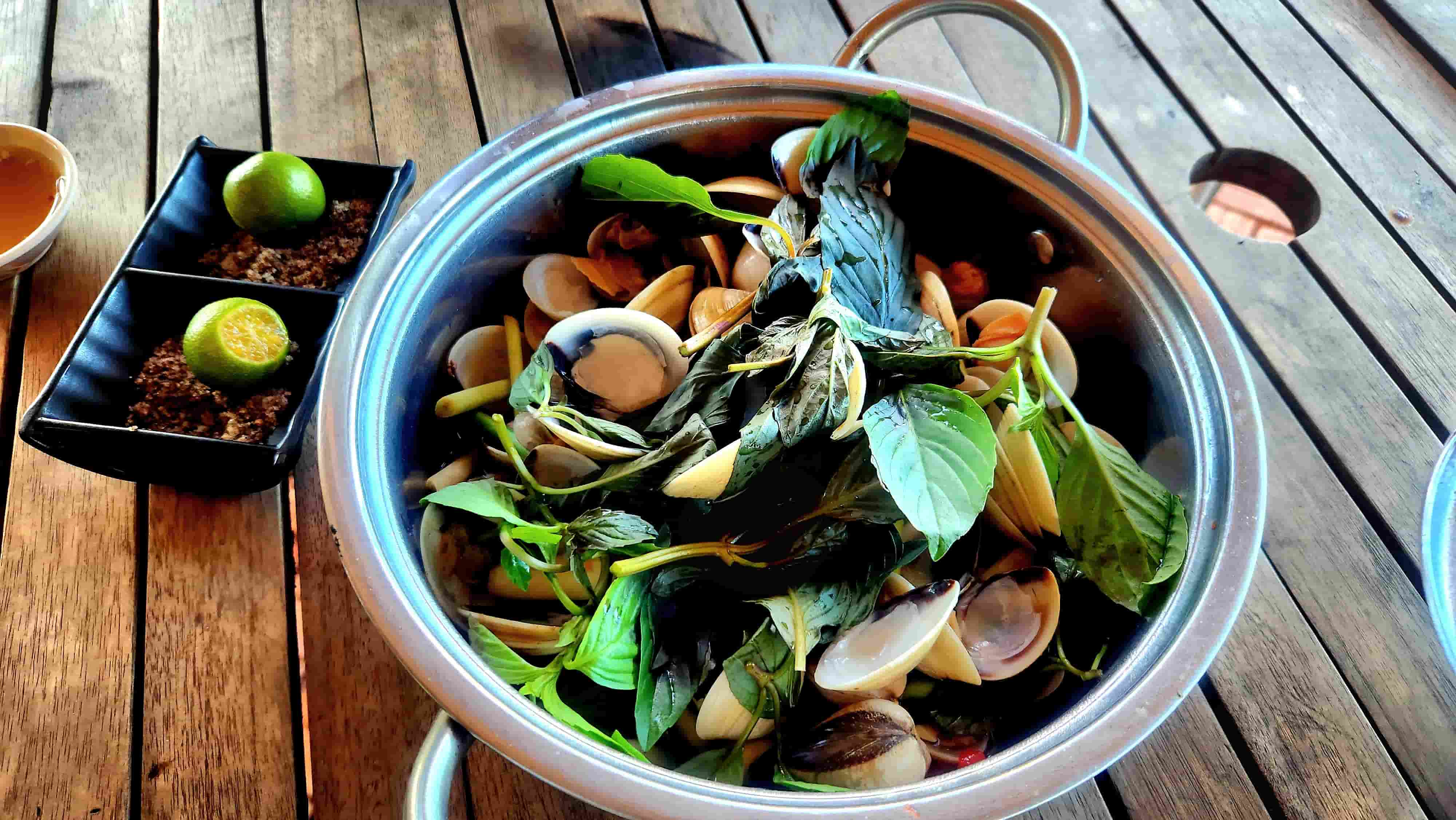
Our final stop was Bay Tom, a coastal fishing village known for clam harvesting. Some clam beds are cultivated while others rely on the natural riches of the estuary. By the time we arrived, dinner was an easy decision: fresh local clams after a day on the road.
Day 3: Bay Tom to Can Tho | Approx. 230 km
This was a longer stage, so I reviewed the map early and marked the important stops to keep us moving without rushing. The route would take us deeper into the Mekong Delta, a region Vietnamese people call the Dong Bang Song Cuu Long - the Delta of Nine Dragons - after the river mouths through which the Mekong was traditionally said to reach the sea.
The photographs from this day tell the story better than a long description: motorbikes rolling onto local ferries, broad rivers opening before us, and narrow roads winding between coconut groves and fruit gardens. These were not famous attractions, but they gave us the most authentic sense of life in the Delta as we made our way towards Can Tho.
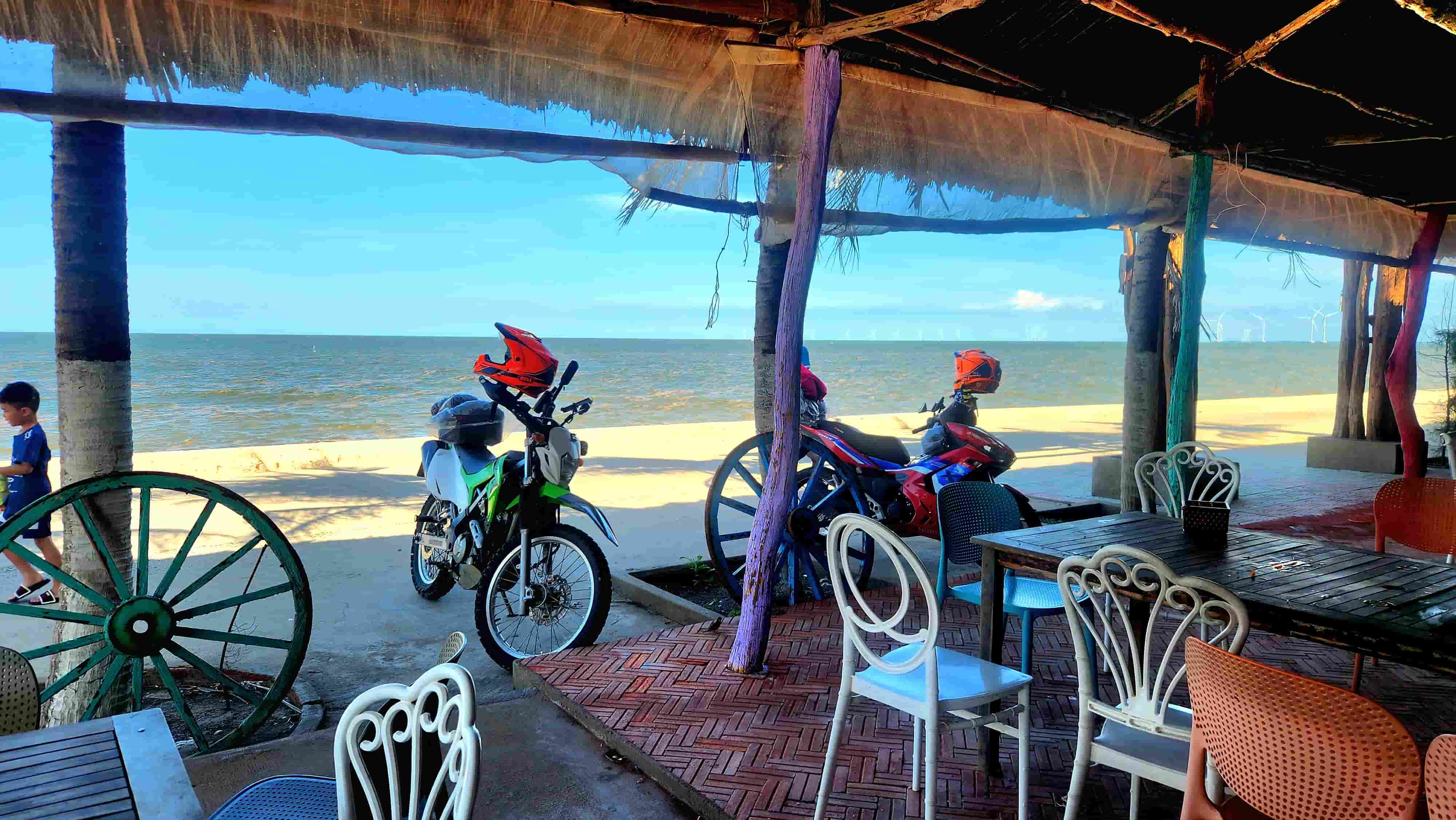 Break for coffee looked over the sea
Day 4: Cai Rang Floating Market to Trang Bang | Approx. 240 km
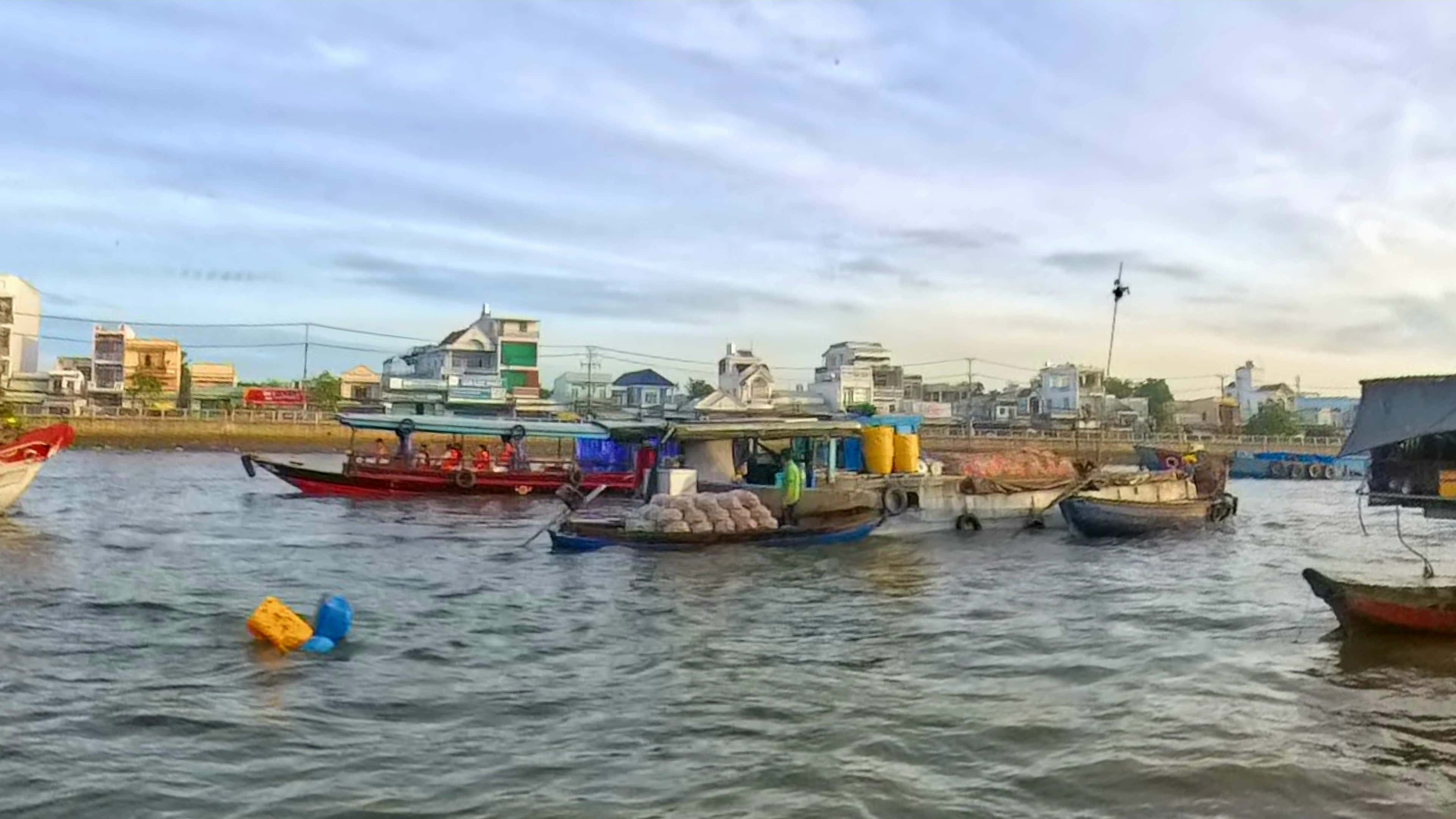
It was our first visit to Cai Rang Floating Market, one of the Mekong Delta's best-known river traditions. With a 240 km ride ahead, we had packed the night before. We checked out before dawn, secured the luggage to the bikes and travelled to a boat landing about 5 km from the city centre.
The market is liveliest between 5:00 and 7:00 a.m. When we arrived, boats loaded with fruit and produce were already gathering on the river. Engines rumbled, traders called to one another and smaller boats moved through the crowd serving food and drinks. For a brief time, we were immersed in a way of life built around the water.
Then it was back to the motorbikes for the long ride north to Trang Bang.
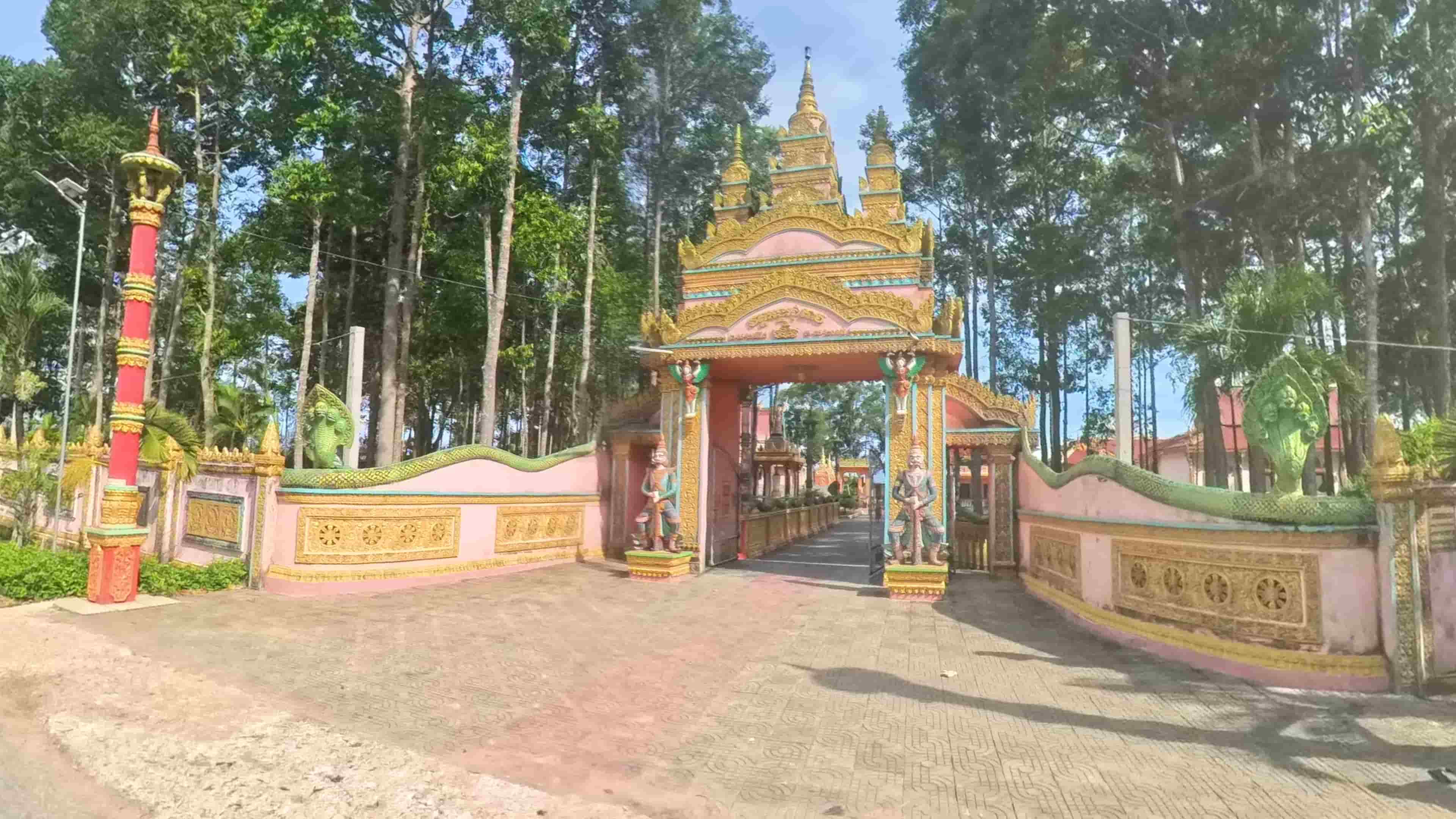 Khơ Me Temple on the way to Can Tho
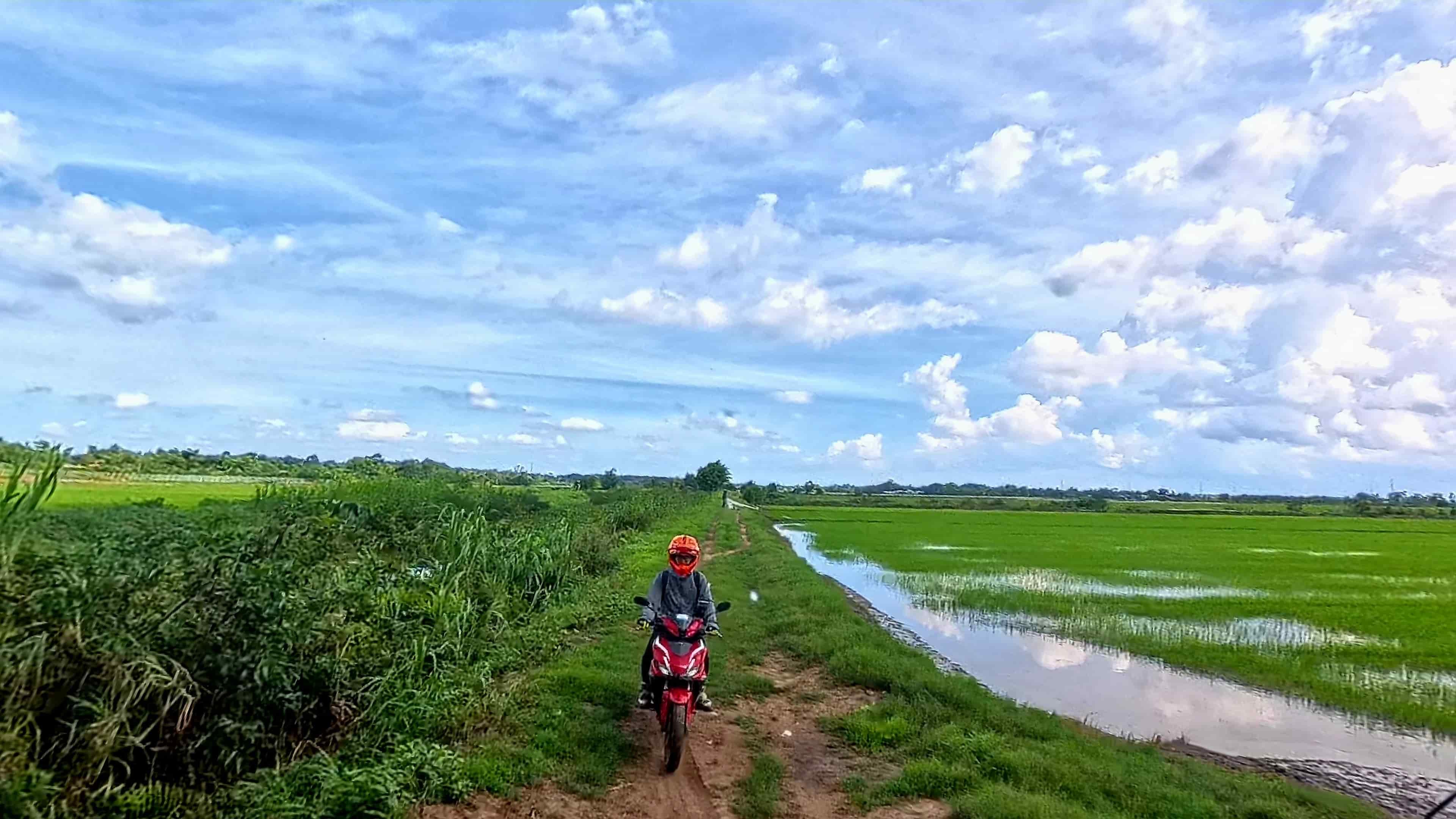 Tip was a little worry on mud road, finnaly he did it.
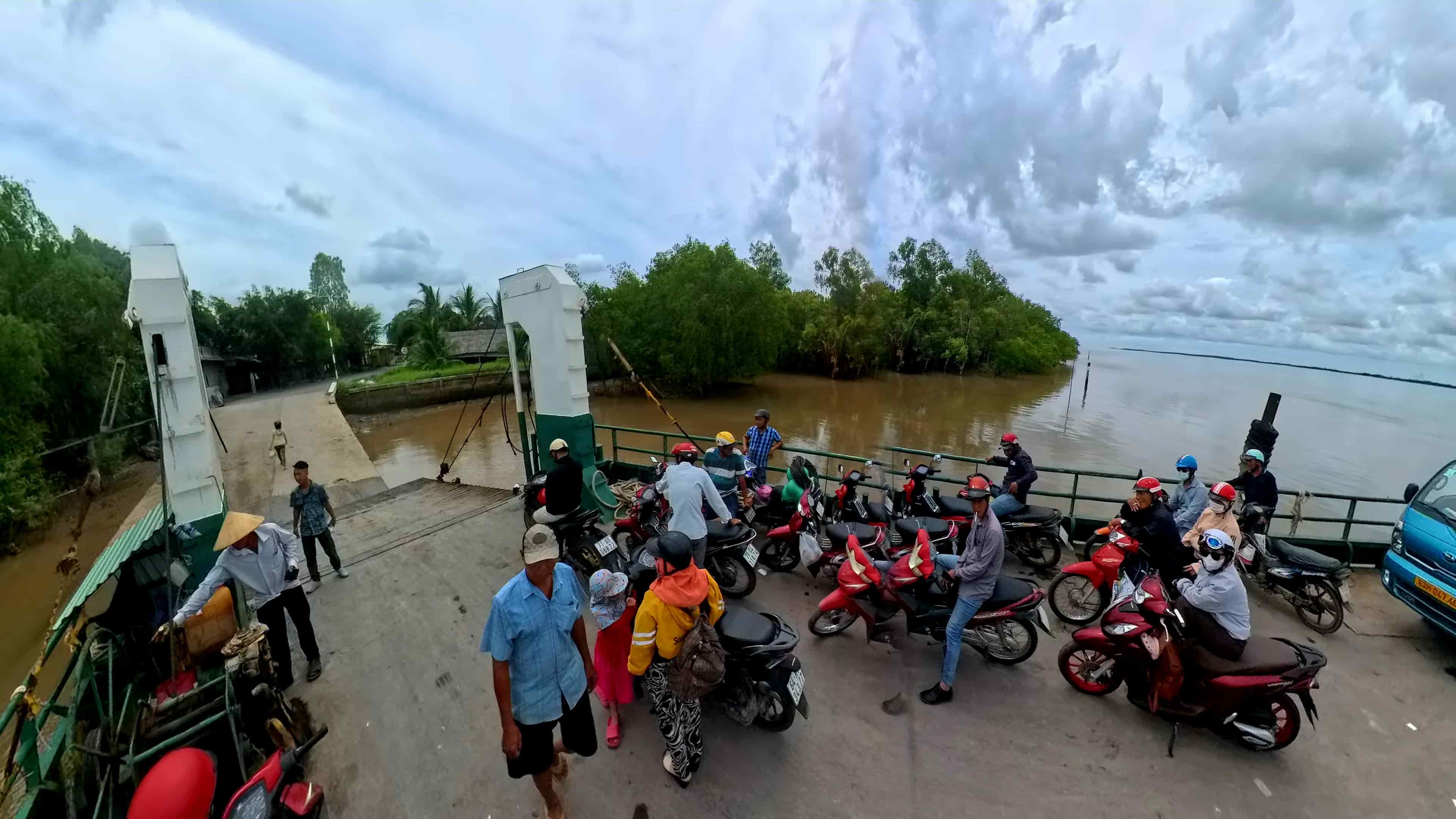 We were on 7 diferent ferries today
Day 5: Moc Bai, Cu Chi Tunnels and Ho Chi Minh City | Approx. 80 km
Before visiting the Cu Chi Tunnels, we stopped at Moc Bai International Border Gate for a few photographs. Set on the Cambodian border, it is one of the most important overland trading gateways between the two countries.
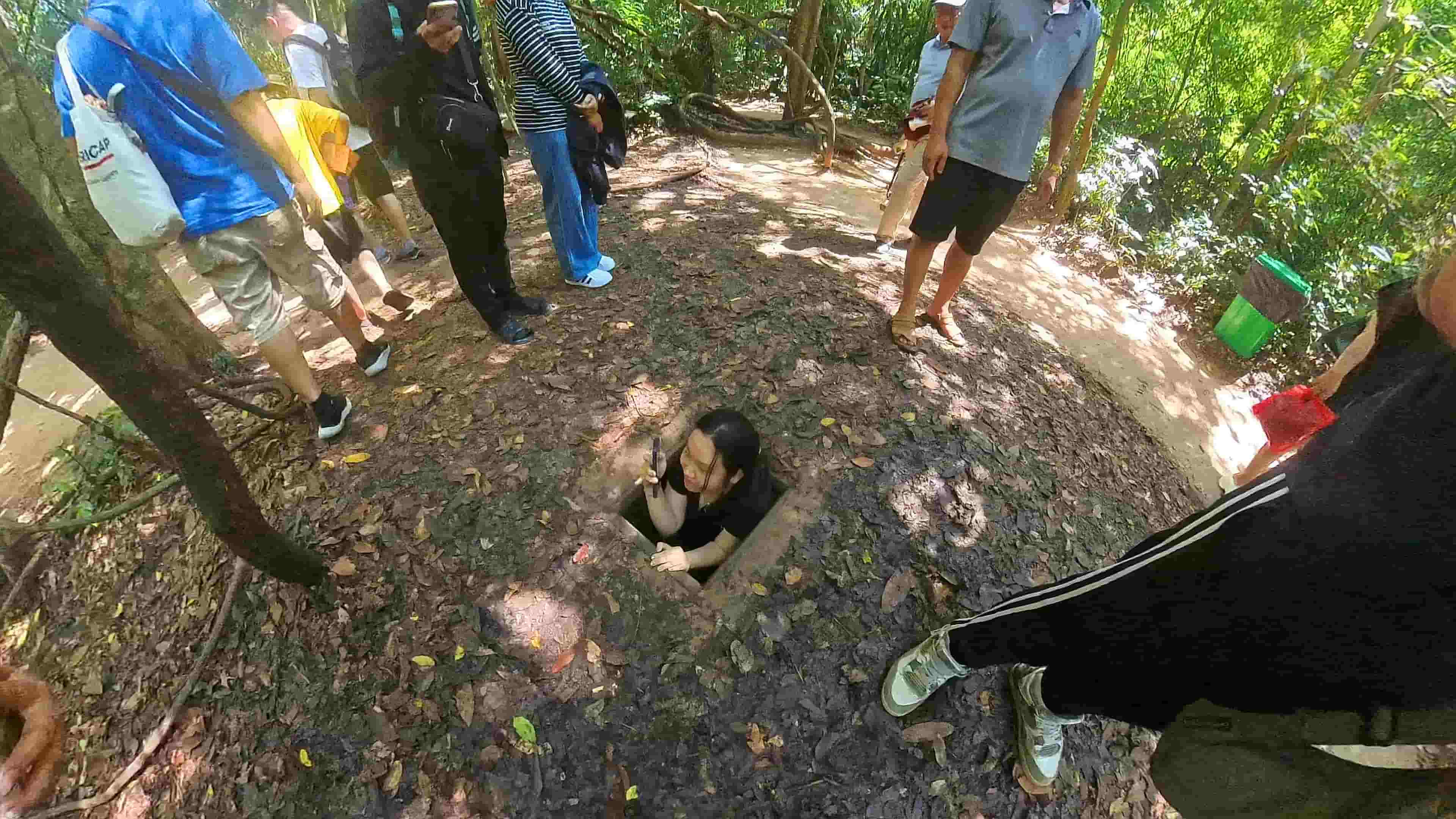
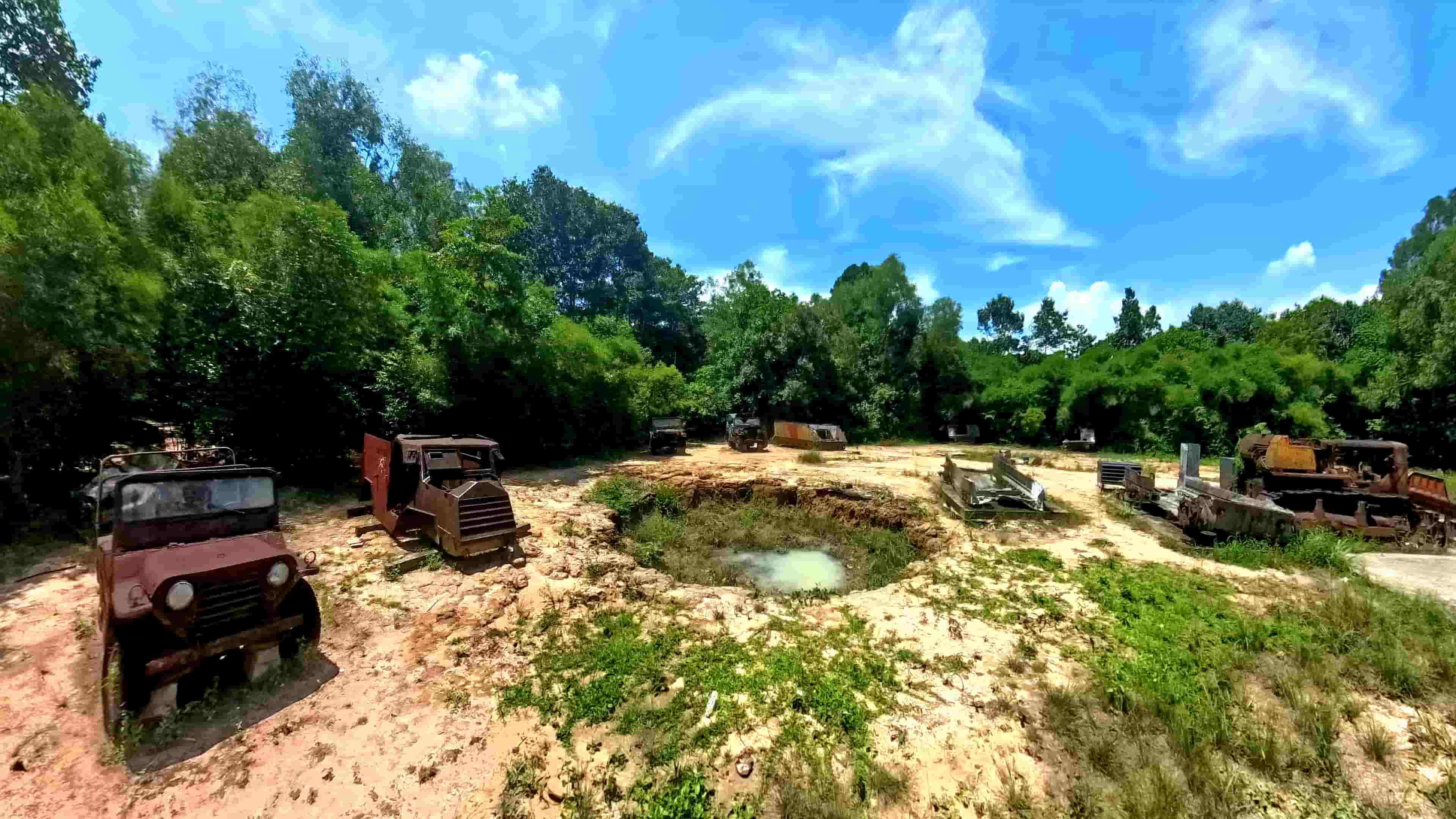
The Cu Chi Tunnels were the main historical stop of the day. Moving through the narrow underground passages and learning how local people and resistance fighters once lived there gave both of us a deeper sense of their resilience during the war.
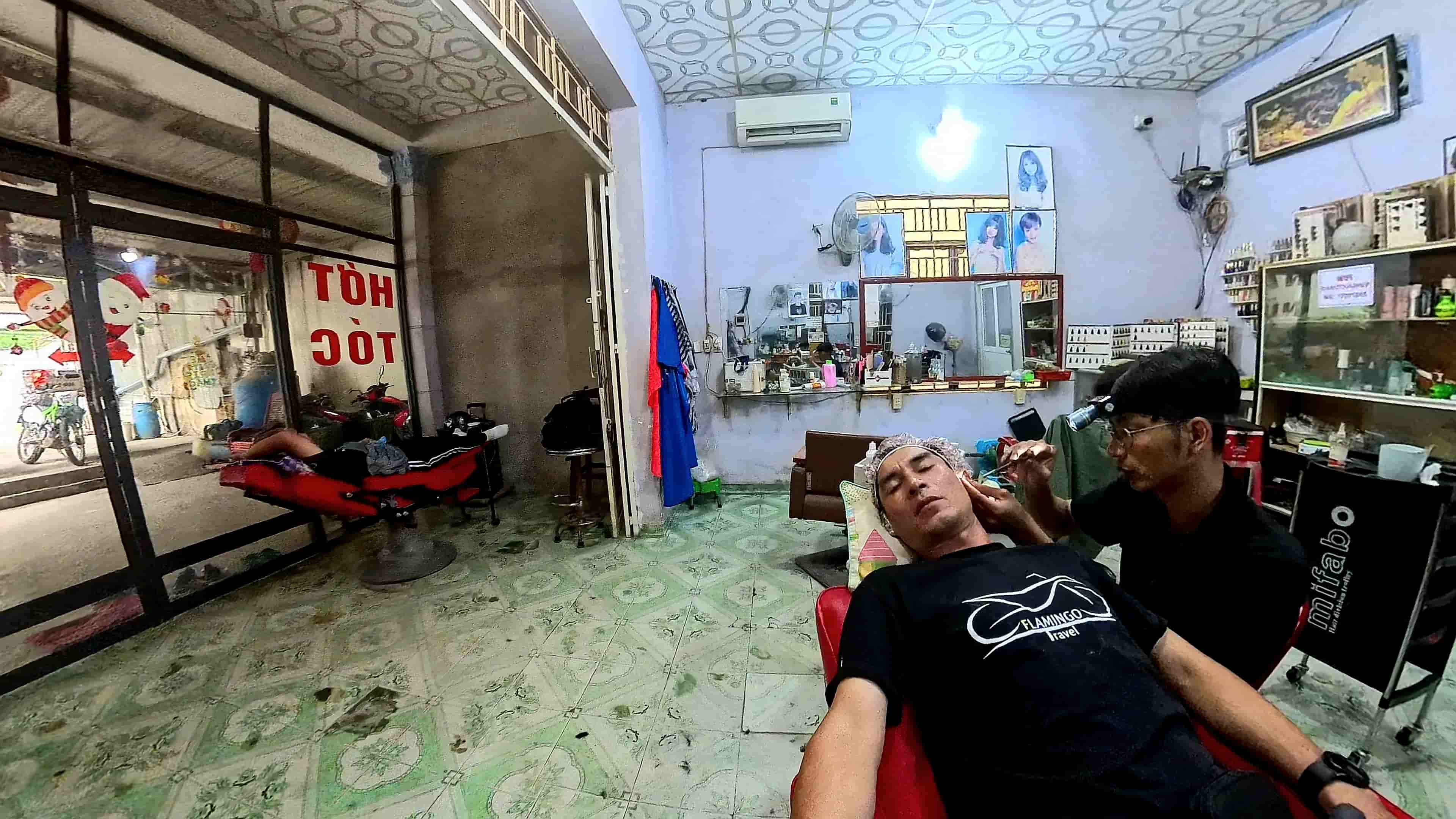
On the way back to Ho Chi Minh City, we made an unplanned stop at a roadside barbershop for a haircut and shampoo. It was a small, cheerful experience - an ordinary moment that brought the final day to a gentle close.
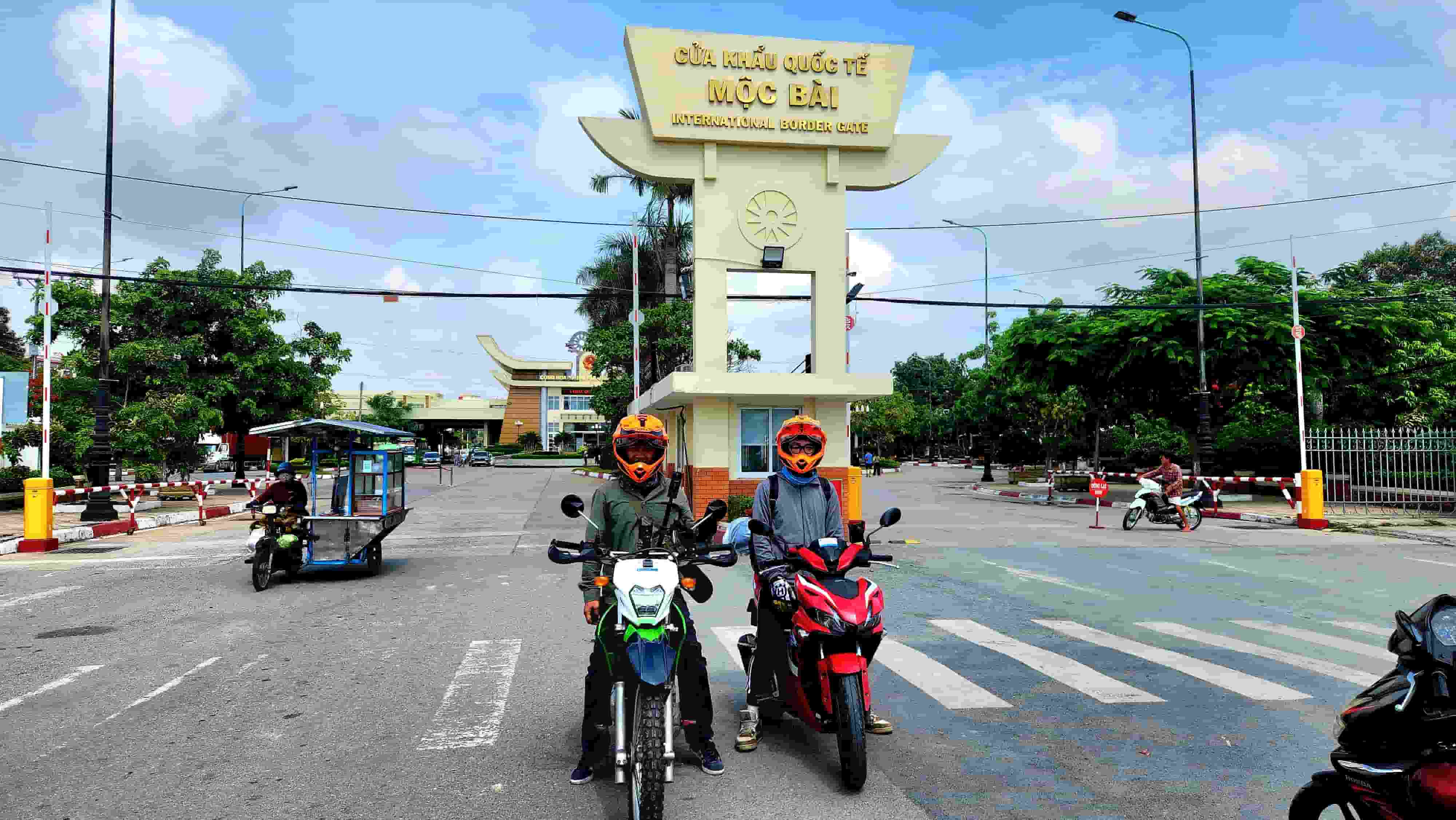 Moc Bai international border
A Journey We Will Remember
After five days on the road, what stayed with me was not only the scenery. It was the bowls of local food, the floating market at dawn, coconut groves, fishing villages and the warmth of the people we met along the way.
The Mekong Delta had changed since my last visit ten years earlier, yet its unhurried rhythm and river culture remained deeply compelling. For Tip, the ride was a chance to grow more confident on a long journey and gather new experiences before university life began.
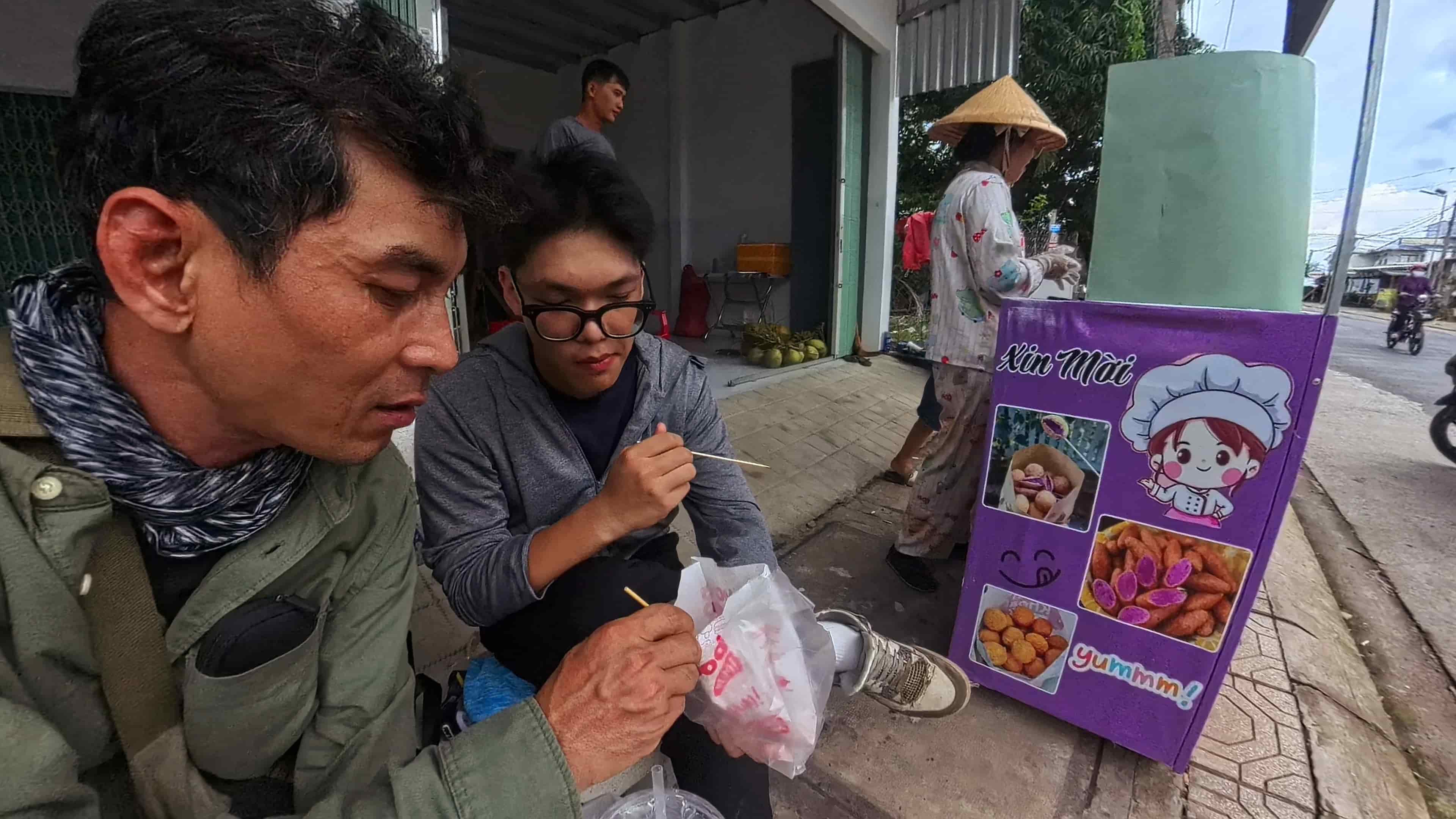 We are school mate at the end of the trip